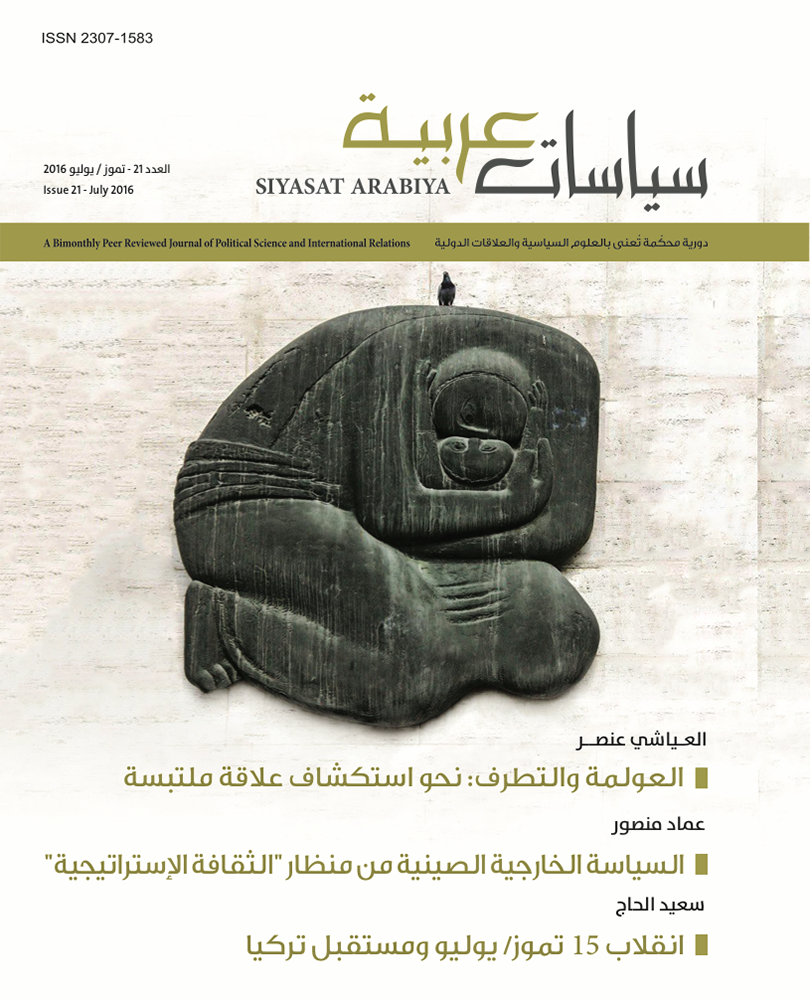
Chinese Foreign Policy from a “Strategic Culture” Framework
DOI:
https://doi.org/10.12816/0029959Keywords:
Mao Zedong, Taoism, Confucianism,, Chinese foreign policy, Strategic CultureAbstract
This article explains underlying drivers of the general contours of Chinese foreign policy. Since the Cold War, China has increasingly been playing the role of a major power but demonstrates hesitancy in some theatres and has not developed its full capacities to that end. This article attends to the study of “Strategic Culture”, a framework which helps explain ideas generated from the history, culture, and societal narratives of a state, and which place general parameters that indicate preferred foreign policy options. Strategic Culture does not cause action, but helps define potential acceptable options. It is complementary to other explanations around the importance of factors such as distribution of material capabilities, decision maker’s idiosyncrasies, and alliance commitments. In particular, strategic culture helps understand long-term foreign policy patterns.References
- Johnston, Alastair Iain, “Thinking about Strategic Culture,” International Security , vol. 19, no. 4 (spring, 1995), pp. 32 - 64.
- Jeffrey W. Legro, “What China Will Want: The Future Intentions of a Rising Power,” Perspectives on Politics , vol. 5, no. 3 (Sep. 2007), pp. 522 - 524.
- نقلً عن: Thomas G. Mahnken, “Secrecy and Stratagem: Understanding Chinese Strategic Culture , ” The Law Institute for International Policy (2011), p. 3.
- Ross Terrill, The New Chinese Empire: And What It Means For The United States (New York: Basic Books, 2004), p. 41.
- سلوك رمزي يشيع في ثقافات شرق آسيا، يقوم على ركوع الشخص، لإظهار ولائه وطاعته للإمبراطور أو الزعماء الدينيين، أو من هم في مراتب عليا.
- David C. Kang, China Rising: Peace, Power, and Order in East Asia (New York: Columbia University Press, 2009).
- Andrew Scobell, China and Strategic Culture (Carlisle, PA: U.S. War College, Strategic Studies Institute, 2002), pp. 7 - 8.
- Craig B. Greathouse, “Examining the Role and Methodology of Strategic Culture,” in: Risk, Hazards and Crisis in Public Policy , Policy Studies Organization, Washington DC., Vol. 1, Issue 1 (2010).
- Hsu, Cho-yun, “Applying Confucian Ethics to International Relations,” Ethics & International Affairs , Vol. 5 (March 1991), pp. 15 - 17.
- Huiyun Feng, Chinese Strategic Culture and Foreign Policy Decision- Making: Confucianism, Leadership and War (London: Routledge, 2007), pp. 17 - 19.
- كان صن تزو وكونفوشيوس أقل تأمّلً بخير الطبيعة البشرية من مينسيوس، مما شكّل إطارًا جدليًا داخل هذه الفلسفة حول مكانة الشعب في السياسة والحكم. أمّا مينسيوس فدفع نحو "عدالة" أكبر في إطار التقليد؛ يمكن وصفها حتى من خلال المفاهيم المعاصرة بأنّها لبرالية، فكانت آراؤه في المحصلة أنّ حقوق المواطنين ينبغي أن تسبق مكانة حاكم الدولة، وأنّه في حال عدم الالتزام القيادي هذه الحقوق العامة، يصبح من المبرر إطاحة الحاكم الشرير.
- Richardson, Hugh E. Tibet and its History , 2nd Edition (Boston & London: Shambhala, 1984).
- Han Enze, Boundaries, “Discrimination and Inter-Ethnic Conflict in Xinjiang, China,” International Journal of Conflict and Violence , Ministry of Innovation, Science and Research, North Rhine, Westphalia, Vol. 4, no. 2 (2010), pp. 244 - 256.
- Sébastien Colin, La Chine et ses frontières (Paris: Armand Colin, 2011).
- بينغ نفسه كان في صراع دائم مع مناصري ماو والكثير من القيادات الحاكمة وقيادات الحزب الشيوعي الصيني.
- Kwok-sing Li, A Glossary of Political Terms of the People's Republic of China (Hong Kong: The Chinese University Press, 1995), p. 12 - 13.
- مجموعة من أربعة مسؤولين تولّت تطبيق سياسات تحت حكم ماو وبالأخص خلال "الثورة الثقافية"، وبعد انتهاء حقبة ماو، توجّهت الحكومة للتخلص من هذه المجموعة وعكس تأثير السياسات المتعلقة بها.
- Ankit Panda, ”Reflecting on China's Five Principles, 60 Years Later,” The diplomat (June 26 2014),accessed on 13/5/2015, at: http://thediplomat.com/2014/06/reflecting-on-chinas-five-principles-60- years-later/.
- Jonathan D. Spence, “Kissinger and China,” The New York Review of Books , Vol. 58, no. 10 (June 9 2011), accessed on 29/1/2016, at: http://www.nybooks.com/articles/2011/06/09/kissinger-and-china/.
- Yong Deng, ”The Chinese Conception of National Interests in International Relations,” The China Quarterly , Vol. 154 (June 1998), , pp.
- Denis C. Twitchett & Frederick W. Mot (ed), The Cambridge History of China , Vol 8, The Ming Dynasty, part 2, 1368 - 1644 (New York: Cambridge University Press, 1998), p. 181.
- Hsu, pp. 158 - 159.
- هذه مجموعة من سبع دراسات كُتبت بين القرن الخامس ق.م. والسابع م. وما زالت تُعدّ ذات قيمة عالية في دراسة الاستراتيجية العسكرية وممارستها، وهي واسعة الانتشار في الصين وعالميًا؛ من ضمنها كتاب فن الحربلصن تزو. تعكس هذه المجموعة تجارب الاستراتيجيات الحربية للحكام تاريخيًا وتعطي دروسًا عدة أهمّها أنّ الحرب يجب أن تدار بذكاء وليس بتهوّر أو تسرّع، وأنّ المهم في القيادة هو استعمال أقل قدر ممكن من المقدرات العسكرية وإدارتها بمرونة.
- Johnston Alastair Iain, “China’s Militarized Interstate Dispute Behavior 1949-1992: A First Cut at the Data,” The China Quarterly , no. 153 (1998), p. 7.
- Hsu, pp. 166 - 167.
- Kaufman Alison Adcock, “The ‘Century of Humiliation’ Then and Now: Chinese Perceptions of the International Order,” Pacific Focus , Vol. 25, no. 1 (April 2010), p. 5.
- David C. Kang, “Hierarchy in Asian International Relations: 1300- 1900,” Asian Security, vol. 1, no. 1 (2005), pp. 53 - 79.
- Avery Goldstein, “An Emerging China’s Emerging Grand Strategy: A Neo-Bismarckian Turn?” in G. J. Ikenberry & Michael Mastanduno (eds.), International Relations Theory and the Asia-Pacific (New York: Columbia University Press, 2003).
- David Shambaugh, China’s Communist Party: Atrophy and Adaptation (Washington, D.C.: Wilson Center Press, 2008).
- يشير كيسنجر إلى أن هذه السياسة هي "سياسة خارجية أقرب إلى بسمارك منها إلى ماو؛ ذلك أنها تتصف بالتدرج والموقف الدفاعي، وأنها مبنية على سدود تصد تداعيات الأوقات غير الحميدة". ويرى أن أحد مخرجاتها هو تصميم الصين على أن "تبرهن صمودها في وجه الضغط الخارجي". وكان رئيس الوزراء الصيني السابق لي بينغ أعلن خلال محادثاته مع وزير الخارجية الأميركي الأسبق وارين كريستوفر في عام 1994 أنّ "سياسة الصين في مجال حقوق الإنسان ليست من شأن الولايات المتحدة."
1Total citations
1From ACRPS journals
0External sources
Citing articles in ACRPS journals (1)
- (2025) الصين وعلاقاتها الخارجية من خلال محدد ثقافتها الاستراتيجية: العلاقات الصينية - القطرية نموذجًا (1988 - 2024). https://doi.org/10.31430/KTKI3569
Sources: Crossref Cited-by, and the references (notes and reference lists) of the Center's own articles
Downloads
Published
2016-07-01
Usage statistics
41 views 46 downloads
Issue
Section
Studies
License
Copyright (c) 2016 Imad Mansour (Author)

This work is licensed under a Creative Commons Attribution-NonCommercial 4.0 International License.
