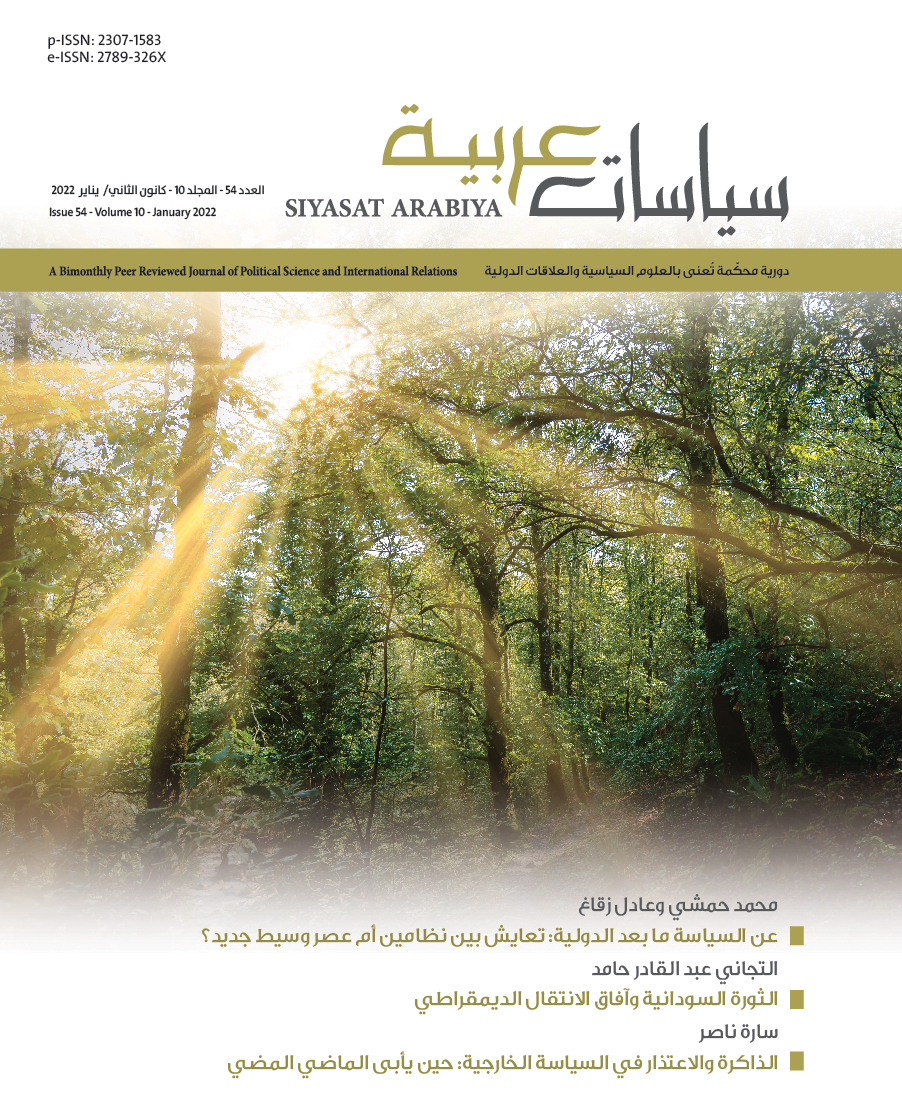
Memory and Apology in Foreign Policy: When the Past Does not Pass
DOI:
https://doi.org/10.31430//KCDH2667Keywords:
Memory, Apology, Ontological Security, Narrative Identity, Discursive Representations, Social ConstructivismAbstract
This study discusses the possibility of bridging the gap between IR (International Relation) and Foreign Policy Analysis when studying the interaction between memory and apology in foreign policy. By dealing with apology as an expressive practice, not just as a tact between statesmen, this study argues that apology is an act used by states to express their attitudes toward their past memories. It presumes that examining the interaction on the theoretical level between concepts such as narrative identity, ontological security, and discursive representations would bridge the gap between the two fields through two versions of social constructivism. Those two versions are then used to understand the motives behind Germany's apology to Israel, and Turkey's resistance to apologize to Armenia despite international pressure to do so. The study concludes that "critical constructivism" approach by Nizar Messari can explain the German case. It considers the role of foreign policy as a tool in reconstructing national identity through transforming representation of the Jewish/Israeli "other" from a "different other", who is an enemy of the self, to a "similar other", who is a part of its moral responsibility. As for Turkey, it concludes that Ted Hopf's "practical/societal constructivism" suggests that the reasons behind Turkey's unwillingness to apologize to Armenia is due to an ontological need best understood as "a need to preserve the routine of its narrative identity, and the need to preserve it heroic memories".References
- Por Chihiro Ikegami, "Memory and Apology in Germany and Japan," LetraUrbana , 8/12/2020, accessed on 27/3/2022, at: https://bit.ly/3oLQ12q
- على الرغم من التداخل بين حقلَ العلاقات الدولية وتحليل السياسة الخارجية في جملة من المسائل الأنطولوجية والمنهجية، فإن الجماعة المعرفية، في العموم، تتعامل معهما بوصفهما حقليَن مستقلَيّن في العلوم السياسية.
- ينظر: تبين، عدد خاص "من 'الذاكرة' إلى 'دراسات الذاكرة' مقاربات عربية بينتخصصية"، العدد 33، مج 9 (صيف.)2020
- George Orwell, Nineteen Eighty-Four (New York: Harcourt, Brace and Company, 1949), p. 32.
- نستخدم مفردة الضحية في هذا السياق بالمعنى المتداول في علم النفس، وهو الشخص الذي يمارس الآخرون في حقه أفع لً تراها الضحية سلبية.
- Michael R. Marrus, "Official Apologies and the Quest for Historical Justice," Journal of Human Rights, vol. 6, no. 1 (2007), p. 79.
- Nicholas Tavuchis, Mea Culpa: A Sociology of Apology and Reconciliation (Stanford, CA: Stanford University Press, 2002), p. 5.
- المقصود بالجناة هنا مرتكبو الأفعال الذين يُطالَبون بالاعتذار عنها، ولا تحمل المفردة في هذا السياق أي دلالات معيارية أو أي أحكام أخلاقية بشأن تلك الأفعال.
- Robert R. Weyeneth, "The Power of Apology and the Process of Historical Reconciliation," The Public Historian , vol. 23, no. 3 (Summer 2001), pp. 9-38.
- Jean-Marc Coicaud, "Apology: A Small Yet Important Part of Justice," Japanese Journal of Political Science , vol. 10, no. 1 (2009), p. 100.
- Weyeneth, p. 32.
- Mark R. Amstutz, The Healing of Nations: The Promise and Limits of Political Forgiveness (Lanham, MD: Rowman & Littlefield Publishers, 2005), p. vii.
- يمكن الإحالة هنا إلى أدبيات "أفعال الخطاب" في العلاقات الدولية، والتي استُلهمت نقاشاتها من إسهام فيلسوف اللغة البريطاني جون أوستن كيف نفعل الأشياء بالكلام؟ يجادل أوستن في كتابه بأن استخدامات اللغة لا تقتصر على الإخبار أو الوصف بل تتعدى ذلك لتشمل "ممارسة الأشياء"، ما يجعل اللغة شكلً من أشكال الفعل. ووفق المنطق نفسه يجادل الباحث البنائي نيكولاس أونوف بأن قواعد العلاقات الدولية هي شكل من أشكال أفعال الخطاب التي قد تكون حازمة، أو آمرة، أو تعهدية. ولأن توصيف الاعتذار في شطره الأكبر يقتضي عهودًا وضماناتٍ بعدم تكرار الخطأ، فيمكن عدّ الاعتذار من الممارسات التعهدية للدول. ينظر: John L. Austin (ed.), How to Do Things with Words (Oxford/ New York: Harvard University Press, 1962); Nicholas Onuf, "Constructivism: A User's Manual," in: Vendulka Kubálková, Nicholas Onuf, & Paul Kower (eds.), International Relations in a Constructed World (London: Routledge, 2015), pp. 58-78.
- Pierre Nora, "Between Memory and History: Les Lieux De Mémoire," Representations , vol. 26 (April 1989), pp. 2-3, 8, accessed on 27/4/2021, at: https://bit.ly/3fMJ50D
- موريس هالبفاكس، الذاكرة الجمعية، ترجمة نسرين الزهر (دمشق/ بيروت: بيت المواطن للنشر والتوزيع،.)2016 16 ينظر: تبين.
- بول ريكور، الذاكرة، التاريخ، النسيان، ترجمة جورج زيناتي (بيروت: دار الكتاب الجديد المتحدة، 2009)، ص.13-12
- Jennifer M. Lind, Sorry States: Apologies in International Politics (Ithaca, NY: Cornell University Press, 2010).
- Ibid., pp. 14-16.
- يُدرس هذا النوع من الاعتذار في نطاق أدبيات العدالة الانتقالية التي سنأتي على ذكرها لاحقًا.
- Ąž uolas Bagdonas, "The Practice of State Apologies: The Role of Demands for Historical Apologies," PhD. Dissertation, Central European University, Budapest, 2010, p. 34.
- تسلط شانون الضوء على ما تسميه "فجوة الاعتراف" التي تتضمن تفاوتًا في الفئات المتلقية للعدالة التعويضية، على غرار ما جرى في ألمانيا التي قدمت تعويضات مادية ورمزية لليهود لما قد يكتنف ذلك من عوائد مادية تتمثل في تحقيق مصالحها في السياسة الخارجية، في حين لم يتلقّ الغجر وعمال السخرة وغيرهم من الضحايا أي تعويضات؛ لعدم وجود أي مصالح تعود على الدولة الألمانية من ذلك الفعل. ويشكل هذا الإسهام، في اعتقادنا، حلقة وصل بين البعد المحلي للاعتذار وما يثيره من مفاهيم كالعدالة الانتقالية، والبعد الخارجي للاعتذار والذي يُدرس في نطاق تحليل السياسة الخارجية. ينظر: Shannon Jones, "Apology Diplomacy: Justice for All?" Netherlands Institute of International Relations 'Clingendael'," (September 2011), pp. 20-21, accessed on 28/4/2021, at: https://bit.ly/3oM6qnw
- Alexander Wendt, Social Theory of International Politics (Cambridge: University Press, 1999), pp. 92-96.
- David Singer, "The Level-of-Analysis Problem in International Relations," World Politics , vol. 14, no. 1 (1961); وللمزيد حول المراجعات الحديثة التي عرفها المفهوم، ينظر: محمد حمشي، "مدرسة باريس للدراسات الأمنية وإشكالية مستوى التحليل في العلاقات الدولية"، السياسة الدولية، العدد 212 (نيسان/ أبريل.)2018
- Vendulka Kubálková, Foreign Policy in A Constructed World (Abingdon, Oxon: Routledge, Taylor & Francis Group, 2001), pp. 17-18.
- Valerie M. Hudson, "Foreign Policy Decision-Making: A Touchstone for International Relations Theory in the Twenty-first Century," Foreign Policy Decision-Making (Revisited) , 1/20/2002, accessed on 27/3/2021, at: https://bit.ly/3bRsl7B
- Kenneth N. Waltz, Theory of International Politics (Long Grove, IL: Waveland Press, 1979), pp. 66, 93, 101.
- Jean-Allens Iheonu, Frank-Collins Okafor & Raphael Eze, "Realism and Apology Diplomacy in the Conduct of International Relations: A Study of Hiroshima and Nagasaki," IOSR Journal of Humanities and Social Science , vol. 25, no. 8 (August 2020), pp. 31-32.
- Robert O. Keohane, After Hegemony: Cooperation and Discord in the World Political Economy (Princeton, NJ: Princeton University Press, 1984), pp. 52, 80-84.
- Thomas U. Berger, "Sorry States in a Sorry World: Beyond German Exceptionalism," Journal of East Asian Studies , vol. 9, no. 3 (2009), p. 347.
- محمد حمشي، "النقاش الخامس في حقل العلاقات الدولية: نحو إقحام نظرية التعقد داخل الحقل"، أطروحة دكتوراه، جامعة باتنة 1 الحاج لخضر، باتنة، الجزائر، 2017، ص.40
- Wendt, pp. 38-39.
- Martha Finnemore, National Interests in International Society (Ithaca: Cornell University Press, 1996), p. 25.
- Eric Langenbacher, "Collective Memory as a Factor in Political Culture and International Relations," in: Eric Langenbacher, Yossi Shain (eds.), Power and the Past: Collective Memory and International Relations (Washington, DC: Georgetown University Press, 2010), p. 21.
- Ibid., pp. 21-22.
- Wendt, pp. 224-225.
- Duncan Bell, Memory, Trauma and World Politics: Reflections on the Relationship between Past and Present (Houndmills: Palgrave Macmillan, 2006), p. 5.
- Peter J. Katzenstein, Tamed Power: Germany in Europe (Ithaca, NY: Cornell University Press, 1997).
- Langenbacher, "Collective Memory," p. 23.
- Bagdonas, p. 12.
- جيريمي ساركين، "لماذا ينبغي مفهمة العدالة الانتقالية في البلدان العربية نظريًا وتجريبيًا؟"، سياسات عربية، مج 8، العدد 47 (تشرين الثاني/ نوفمبر 2020)، ص.13
- Bagdonas, p. 50.
- Ted Hopf, Social Construction of International Politics: Identities & Foreign Policies, Moscow, 1955 and 1999 (Ithaca, NY: Cornell University Press, 2002).
- Ted Hopf, Reconstructing the Cold War: The Early Years, 1945-1958 (New York: Oxford University Press, 2014), pp. 8, 20.
- يعرّف أنتوني غيدنز الأمن الأنطولوجي بأنه: الحالة التي يشعر من خلالها المرء باستمرارية الأحداث وانتظامها في حياته، وهي غالبًا ما تكون مرتبطة بأمن الذات وفهمها لنفسها في ظل ماضي خبراتها وعلاقاتها الاجتماعية، إذ ينذر فقدان الذات لأمنها الأنطولوجي بتلاشي معناها وفهمها لذاتها ودخولها في حالةٍ من التناقض، وربما إعادة إنتاج الذات، الأمر الذي يتأتى منه معضلات شتى تتمظهر لاحقًا على مستوى السلوك. للمزيد، ينظر: Anthony Giddens, Modernity and Self-Identity (Cambridge: Polity Press, 1991).
- Jennifer Mitzen, "Ontological Security in World Politics: State Identity and the Security Dilemma," European Journal of International Relations, vol. 12, no. 3 (2006), pp. 346-347.
- Jenny Edkins, Trauma and the Memory of Politics (Cambridge: Cambridge University Press, 2003).
- هنا يرى مساري أن الكلام أو الخطاب كالفعل saying is doing، فكلمات صناع القرار مهمة كأفعالهم، فما يقال أو ما يُصمَت عنه مهمّ لصنع الهوية وإعادة صنعها، وهو منطق يتقاطع مع ما أشرنا إليه في مسألة أفعال الخطاب.
- ناقشت أدبيات العلاقات الدولية مفهوم الآخر انطلاقًا من المثنويات المتناحرة بين الداخل والخارج، المحلي والدولي، الآمن والمهدد، الغرب والشرق، فمثلً يقبل التيار السائد ثنائية الخارج الفوضوي المهدد في مقابل الداخل الآمن وهكذا دواليك. في حين أن التيار النقدي كما في أعمال آشلي يدرس كيفية بناء الثنائيات عبر ما أسماه الممارسات البطولية التي يتمثل فيها الشق الأول البطولي تمثيلً إيجابيًا، لكي يجري تمثيل الآخر تمثيلً سلبيًا.
- Nizar Messari, "Identity and Foreign Policy - The Case of Islam in U.S. Foreign Policy," in: Vendulka Kubálková (ed.), Foreign Policy in a Constructed World (Abingdon: Routledge, 2002), pp. 227-228, 236.
- ثمة سجل تاريخي حافل بحالات الاعتذار والامتناع عن الاعتذار في السياسة الخارجية، ولا يمكن أن تحيط به دراسة بهذا الحجم.
- يوجد أثر كبير للشعور بالذنب والندم في توجهات السياسة الخارجية الألمانية تجاه إسرائيل.
- نورمان فنكلشتاين، كيف صنع اليهود الهولوكوست؟! "المحرقة"، ترجمة ماري شهرستان، ط 3 (دمشق: صفحات للدراسات والنشر، 2012)، ص 25. إن استخدام عبارة "صناعة المحرقة" يعني التمييز بين المحرقة بوصفها واقعة تاريخية وما بُني حولها من سرديات وهويات اجتماعية، وقد كان لذلك دور في الضغط على السياسة الخارجية الألمانية لتحميل الألمان كلهم مسؤولية ما حدث.
- المرجع نفسه، ص.79
- Thomas U. Berger, War, Guilt, and World Politics After World War II (Cambridge: Cambridge University Press, 2012).
- Isaac Farhadian, "Anti-Semitism in Nazi Germany," Senior Honors Conference, Thresholds, Journal of the CSU Stanislaus (May 2009), pp. 1-2, accessed on 27/3/2022, at: https://bit.ly/3fm7gV0
- Stefan Engert, "Germany - Israel: A Prototypical Political Apology and Reconciliation Process," in: Christopher Daase et al. (eds.), Apology and Reconciliation in International Relations the Importance of Being Sorry (London: Routledge, 2016), p. 31.
- Ruth Wittlinger & Martin Larose, "No Future for Germany's Past? Collective Memory and German Foreign Policy," German Politics , vol. 16, no. 4 (2007), p. 483.
- الفرق بين العذر Excuse والاعتذار Apology في معجمأكسفورد هو أن الأول يعني إيجاد سبب يسوغ سلوكًا مسيئًا في حين أن الثاني يقتضي تقديم الأسف حيال سلوك خاطئ.
- المعايير هي الإقرار بارتكاب خطأ ما، وقبول المسؤولية المتأتية عن ارتكابه، والتعبير عن الأسف والندم حيال الأضرار الناجمة عنه، والالتزام بجبر الأضرار، والتعهد بعدم تكرار الخطأ.
- Engert, "Germany - Israel: A Prototypical Political Apology and Reconciliation Process," pp. 30-34, 38, 40-43.
- Wolfgang Stolper & Karl Roskamp, "Planning a Free Economy: Germany 1945-1960." Zeitschrift Für Die Gesamte Staatswissenschaft/ Journal of Institutional and Theoretical Economics 135, no. 3 (1979), p. 376, accessed on 11/4/2022, at: https://bit.ly/3ufJKAt. P.376
- أنشئت محكمة نورمبورغ في تشرين الثاني/ نوفمبرُ 1945 وجرى حلها في آب/ أغسطس 1946، وهي محكمة عسكرية دولية أسسها الحلفاء لمحاكمة مجرمي الحرب العالمية الثانية، عبر تصنيف الجرائم ثلاثة أنواع: جرائم ضد السلام، جرائم الحرب، والجرائم ضد الإنسانية، وقد جرت المحاكمات التي ترأسها أربعة قضاة من الولايات المتحدة وفرنسا وبريطانيا وروسيا، على مرحلتين: أولً، محاكمة كبار ضباط الجيش الألماني المسؤولين عن التعذيب والإبادات والقتل الجماعي. ثانيًا، محاكمة الأطباء الذين أجروا تجارب طبية على جثث القتلى اليهود"، ينظر: حمشي، ص.394
- Ambassador Wendy R. Sherman, "On Political Forgiveness: Some Preliminary Reflections," Policy Brief , Belfer Center for Science and International Affairs, p. 6, accessed on 27/3/2022, at: https://bit.ly/34fAVsn
- التشديد في النص الأصلي، لتأكيد أن جماعية Collectiveness الاعتذار الألماني لم تتضمن اعتراف الألمان بالمسؤولية تجاه ما اقتُف في الهولوكست، مع ذلك تجدر الإشارة هنا إلى أن فردية الاعتذار وجمعيته تظل معضلة فلسفية في أدبيات الاعتذار.
- التشديد في النص الأصلي، لتأكيد أن إخلاء الألمان مسؤوليتهم من جرائم الهولوكست أعقبه تأكيد الخطاب على أصالة الألمان المستعدين لمساعدة اليهود.
- Stefan Engert, "A Case Study in 'Atonement': Adenauer's Holocaust Apology," Israel Journal of Foreign Affairs , vol. 4, no. 3 (2010), p. 116.
- Engert, "Germany - Israel: A Prototypical Political Apology and Reconciliation Process," pp. 44-45.
- Ibid., pp. 37-38.
- Wittlinger & Larose, p. 483.
- Richard von Weizsäcker. "40 th Anniversary of the End of War in Europe and of National-Socialist Tyranny," speech , bundespraesident, 8/5/1985, accessed on 27/3/2022, at: https://bit.ly/3yw1XcW
- Engert, "Germany - Israel: A Prototypical Political Apology and Reconciliation Process," p. 44-45.
- Eric Langenbacher, "Changing Memory Regimes in Contemporary Germany?" German Politics and Society , vol. 21, no. 2 (January 2003), p. 58.
- Laura Elizabeth Hein & Mark Selden (eds.), Censoring History: Citizenship and Memory in Japan, Germany, and the United States (Armonk/ London: Routledge, 2016).
- تقدّم العديد من المصادر التاريخية وجهًا آخر لسلوك دول الحلفاء في أثناء الحرب وبعدها، من قبيل أوامر ونستون تشرشل بقصف المدن الألمانية للقضاء على الروح المعنوية للسكان الألمان. كما قدم النائب الجمهوري الأميركي هومر كايبهارت (1979-1897) في خطاب له أمام مجلس الشيوخ (شباط/ فبراير 1946) تقريرًا عن المعاناة الإنسانية للشعب الألماني و (بعض) شعوب أوروبا الشرقية بعيد نهاية الحرب، حيث تحدث عن مئات الآلاف الذين قتلوا بعد أن وضعت الحرب أوزارها، والملايين من المهجرين والمرحّلين إلى الاتحاد السوفياتي وأوروبا الغربية والولايات المتحدة، وجرى استغلالهم في سوق العمل الرخيصة، خاصة من النساء والأطفال. وفي مؤتمر طهران (أيلول/ سبتمبر 1943)، وعلى مائدة عشاءٍ مشترك، اقترح ستالين مسبقًا إعدام ما يراوح بين خمسين ألف ومئة ألف من الضباط الألمان، وهو ما أثار تشرشل، فعقّب عليه روزفلت مازحًا بأن إعدام 49000 فقط سيكون مناسبًا. وفي بداية 1945، ذكَر روزفلت أنه بعد معاينة الدمار الشديد الذي ألحقه الجيش الألماني بشبه جزيرة القرم، أصبح يأمل أن يعيد ستالين مرة أخرى اقتراح نخب إعدام خمسين ألفًا إلى مئة ألف من الضباط الألمان، ينظر: حمشي، ص.410
- المواجهة الأولى هي استعارة يقدمها ونْت لتفسير حالة التفاعل الأولى بين الدول في ظل غياب الفهومات المشتركة، وهي حالةٌ يُقدِم عليها الفاعلون بنوعين من الاستعدادات: استعدادات مادية واستعدادات تصورية متعلقة بأفكار الفاعل حول هويته ومصلحته وسلوكه عند المواجهة. تؤدي الاستعدادات التصورية دور مسيّ لمسار التفاعل الرمزي "الإيمائي" بين الفاعلين، ويعطي الفاعل (الأول) يسميه ألتر إشارات معينة يؤولها الفاعل (الثاني) إيغو، ويستجيب لها وفق ما يحمله من تصورات مسبقة تجاه الفاعل الأول، ليقوم الفاعل الأول بتأويل استجابة الفاعل الثاني، وبهذا يقود التفاعل إلى نشأة الفهومات المشتركة بين الفاعلين. ينظر: حمشي، ص 279-278؛ Wendt, pp. 328-335.
- Hopf, Reconstructing the Cold War , pp. 13-14.
- Ay ş e Zarakol, "Ontological (In)Security and State Denial of Historical Crimes: Turkey and Japan," International Relations , vol. 24, no. 1 (2010), p. 14.
- Stefan Engert, "Turkey - Armenia: From Denial to Excuse?" in: Daase et al., (eds.), p. 227.
- تركيا تستدعي السفير الأميركي بسبب إعلان بايدن مذابح الأرمن إبادة جماعية "، الجزيرة نت، 2021/4/24، شوهد في 2022/3/27، في: https://bit.ly/3oLlQIE
- Turks Regretful over the Armenian Tragedy of 1915 but Refuse to Qualify It as a Genocide," Edam, 1/1/2015, accessed on 27/3/2022, at: https://bit.ly/3H4fYlZ
- Engert, "Turkey - Armenia: From Denial to Excuse?" p. 225.
- Turks Regretful over the Armenian Tragedy of 1915 but Refuse to Qualify It as a Genocide."
- Tunç Aybak, "Geopolitics of Denial: Turkish State's 'Armenian Problem'," Journal of Balkan and Near Eastern Studies , vol. 18, no. 2 (December 2016), p. 10.
- Dilaver Arıkan Açar & İ nan Rüma, "External Pressure and Turkish Discourse on 'Recognition of the Armenian Genocide'," Southeast European and Black Sea Studies , vol. 7, no. 3 (2007), pp. 449-465.
- Amir Lupovici, "Ontological Dissonance, Clashing Identities, and Israel's Unilateral Steps towards the Palestinians," Review of International Studies , vol. 38, no. 4 (December 2011), p. 810.
Downloads
Published
2022-01-01
Article dates
Received: May 27, 2021 Revised: July 25, 2021 Accepted: September 1, 2021
Usage statistics
38 views 58 downloads
Issue
Section
Studies
License
Copyright (c) 2021 Sarah Nasser (Author)

This work is licensed under a Creative Commons Attribution-NonCommercial 4.0 International License.
