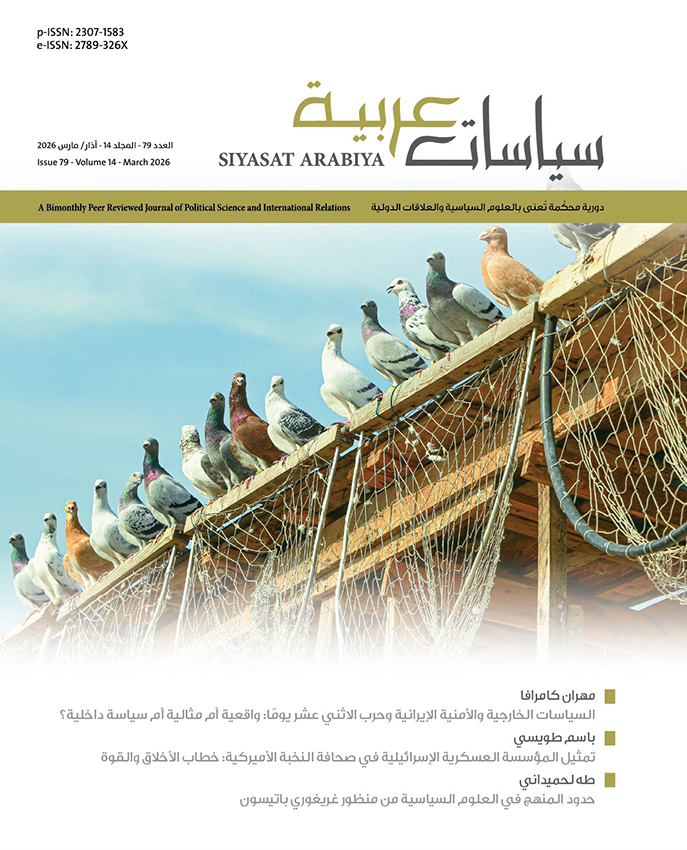
Iranian Foreign and Security Policies and the Twelve-Day War: Realism, Idealism, or Domestic Politics?
DOI:
https://doi.org/10.31430/ZYTG6550Keywords:
Iranian Foreign Policy, 1978-1979 Revolution, Twelve-Day War, Iran-Iraq War, PragmatismAbstract
Despite the sharp and often uncompromising rhetoric that accompanies it, Iran's foreign policy is deeply pragmatic and is guided by practical, strategic considerations and objectives. Especially after the end of the war with Iraq in 1989 , successive administrations in Tehran have pursued foreign policies that have been largely nonideological, guided more by the logic of national interests as dictated by evolving circumstances rather than by the principles of the 1978 - 79 revolution. Constitutionally, while the Supreme Leader is technically in overall charge of the country's international relations, Ayatollah Khamenei's guiding principles for conducting foreign policy – dignity, wisdom, and expediency – are broad enough to include a wide range of potential policy options. With the Islamic Republic seemingly embroiled in one regional and international crisis after another, pragmatism has become its default backup policy. A legacy of the war with Iraq from 1980 to 1988 , this hard realism is only likely to be reinforced as the lingering consequences of the Twelve-Day War shape Iranian foreign and security policies in the years to come.References
- Mehran Kamrava, "Hierarchy and Instability in the Middle East Regional Order," International Studies Journal , vol. 14, no. 4 (Spring 2018), pp. 1-35; Weidong Zhang, "Why States Become Revisionists: A Literature Review," International Area Studies Review , vol. 28, no. 2 (2025), pp. 103-112.
- Thomas Juneau & Sam Razavi, "Introduction: Alone in the World," in: Thomas Juneau & Sam Razavi (eds.), Iranian Foreign Policy since 2001: Alone in the World (London: Routledge, 2013), pp. 1-17.
- Mehran Kamrava, How Islam Rules in Iran: Theology and Theocracy in the Islamic Republic (Cambridge: Cambridge University Press, 2024), pp. 98-103.
- Erik Van Ree, "Socialism in One Country: A Reassessment," Studies in East European Thought , vol. 50, no. 2 (1998), pp. 77-117.
- محمد كلانتاري، "معضلة أمن النفوذ: العقيدة الشيعية العابرة للحدود الوطنية وحدود السياسة الخارجية الإيرانية"، سياسات عربية، مج 13، العدد 77 (تشرين الثاني/ نوفمبر 2025)، ص.25-9
- Chad Nelson & Aurthur Stein, "The Attenuation of Revolutionary Foreign Policy," International Politics , vol. 52, no. 5 (2015), pp. 626-636.
- ينظر: محمد حمشي، "الطائفية أداة للسياسة الخارجية: مقاربة من منظور حقل العلاقات الدولية"، في: المسألة الطائفية وصناعة الأقليات في الوطن العربي (الدوحة/ بيروت: المركز العربي للأبحاث ودراسة السياسات،.)2017
- Ali Bagheri Dolatabadi & Mehran Kamrava, "Iran's Neighborhood Policy: Parameters, Objectives, and Obstacles," Middle East Policy , vol. 31, no. 4 (December 2024), pp. 56-73.
- كُتبت هذه الدراسة وُنشُرت قبيل نشوب حرب 28 شباط/ فبراير 2026 بوقت وجيز؛ وهي الحرب التي اغتيل فيها المرشد الأعلى الثاني، آية الله علي خامنئي.
- Mehran Kamrava, "The 2009 Presidential Elections and Iran's Changing Political Landscape," Orbis , vol. 54, no. 2 (July 2010), pp. 400-412.
- Kamrava, How Islam Rules in Iran , pp. 268-271.
- Ali Khamenei, "Bayanat-e Sarih va Shafaf-e Rahbar-e Enqelab dar Bareh-e Mozakerat-e Hasteh-i" ["Clear and Transparent Statements of the Leaders of the Revolution Concerning Nuclear Negotiations,"] Khamenei.ir , 1/9/2015, accessed on 26/2/2026, at: https://acr.ps/1L9BPPX
- Ali Khamenei, "Namahang: Ezzat, Hekmat, Maslehat," ["Video: Dignity, Wisdom, Expediency,"] Khamenei.ir , 26/5/2023, accessed on 26/2/2026, at: https://acr.ps/1L9BOXh
- Mohammadreza Marvinam, "Nezam-e Ma'nai-e Amniyat-e Melli az Manzar-e Maqam-e Mo'azam-e Rahbari," ["Semantic System of National Security from the Perspective of the Supreme Leader,"] Faslnameh-e Amniyat Pazhouhi , vol. 22, no. 82 (14/2/2023), p. 6.
- Mohammad Jafar Arjomand & Umm Albonain Chaboki, "Hoviyyat va Shakhes-haye Siyasat-e Khareji-e Jomhuri-e Eslami Iran," ["Identity and the Indicators of the Foreign Policy of the Islamic Republic of Iran,"] Faslnameh-e Siyasat , vol. 40, no. 1 (1389/ 2010), p. 39.
- Javad Madadi, "Iran; Nofooz va Eqtedar-e Mantaqehie, Kodam Diplomacy?" ["Iran: Influence and Regional Power, Which Diplomacy?"] Faslnameh-e Motale'at-e Rahbordi-e Jahan-e Eslam , vol. 18, no. 1 (1396/ 2017),
- In Leaked Recording, Iran's Zarif Criticises Guards' Influence in Diplomacy," Reuters , 26/4/2021, accessed on 26/2/2026, at: https://acr.ps/1L9B9nV
- Ali Bagheri Dolatabadi & Hossein Siapoushi, "Ta'amol va Taqabol-e 'Gofteman-haye Siyasi' va 'Rahbord-haye Elmi' dar Siyasat-e Khareji-e Iran," ["The Interaction and Confrontation of 'Political Discourse' and 'National Strategies' in Iranian Foreign Policy,"] Faslnameh-e Rahbord-e Siyasi , vol. 4, no. 12 (1399/ 2020), p. 76.
- Mahdi Mohammad Nia, "Sazeh Engari-e Koli-gara: Rahyafti Jame' Baraye Towzih-e Raftar-haye Siyasat-e Khareji-e Iran," ["Holistic Constructivism: A Comprehensive Approach for Explaining Iranian Foreign Policy Behavior,"] Jastar-haye Siyasi-e Moaser , vol. 5, no. 1 (1393/ 2014), p. 155. p. 35.
- Mahdi Mohammad Nia, "Barresi-e Tatbiqi-e Siyasat-e Khareji-e Dowlat-haye Osul-gara va 'Etedal," ["Comparative Analysis of the Foreign Policies of Principlist and Moderate Administrations,"] Faslnameh-e Siyasat Pazhohi , vol. 2, no. 1 (1394/ 2005), pp. 183-187.
- Ibid., pp. 193-197.
- Ali Bagherizadeh, "Tahavolat-e Novin va Manzoumeh-e Defa'i- Amniyati-e Jomhuri-e Eslami-e Iran dar Movajehe ba Arabestan-e Saoudi va Rezhim-e Sahyunisti," ["New Transformations and the Security-Defensive System of the Islamic Republic of Iran in Confronting Saudi Arabia and the Zionist Regime,"] Pazhuheshnameh-e Irani-e Ravabet-e Beinolmelal , vol. 2, no. 4 (1403/ 2024), pp. 3, 13.
- Bagheri Dolatabadi & Siapoushi, p. 81.
- Keyhan Barzegar, "Emkansanji-e Rooyarooie-e Nezami-e Rezhim-e Esrail ba Iran," ["A Feasibility Study of the Israeli Regime's Face-to-Face Confrontation with Iran,"] Faslnameh-e Gofteman-e Rahbordi-e Felestin , vol. 2, no. 3 (1399/ 2020), p. 66.
- Hossein Karimifard, "Tabeen-e Siyasat-e Khareji-e Iran dar Partow-e Moteghayer-haye Jame'h, Dowlat va Nezam-e Beinolmelal (1400-1402)," ["Analysis of Iranian Foreign Policy in Light of the Variable of Society, Government, and the International System (2021-2023),"] International Studies Journal , vol. 20, no. 4 (2024), p. 52.
- Mehran Kamrava, "Iran Looks East: Context, Causes, and Consequences," in: Mehran Kamrava (ed.), Iran's Look East Policy: New Directions (Ithaca, NY: Cornell University Press, 2026), pp. 13-29.
- Karimifard, p. 51.
- Ibid., pp. 61-62.
- Mohammad Malekzadeh, "Tajrobeh-haye Mohem Baraye Dowlat-e Chahardahom dar Siyasat-e Khareji," ["Important Experiences for the Fourteenth Government in Foreign Policy,"] Mahnameh-e Pasdar-e Eslam , vol. 44, no. 493-494 (1403/ 2024), pp. 21-23.
- Jalal Dehghani Firouzabadi, "Gofteman-e Edalat dar Siyasat-e Khareji-e Jomhuri-e Eslami-e Iran," ["Discourse of Justice in the Foreign Policy of the Islamic Republic of Iran,"] Ma'refat-e Siyasi , vol. 1, no. 1 (1388/ 2009), p. 202.
- Fazlollah Nouzari & Hassan Koosha, "Tabeen-e Usol-e Rahnama-e Rahbordi-e Nezami-Amniyati-e Nirou-haye Jomhuri-e Eslami-e Iran," ["Explaining the Principles of the Military-Strategic Doctrine of the Armed Forces of the Islamic Republic of Iran,"] Faslnameh-e Motale'at-e Defa'i Esteratezhik , vol. 19, no. 85 (1400/ 2021), pp. 282-284.
- Abolfazl Karimi, "Naqsh-e J. E. Iran dar Hoviyat Bakhshi beh Majmo'eh-e Amniyati-e Mehvar-e Moqavemat," ["The Role of the I. R. Iran in Giving Identity to the Axis of Resistance Collective Security,"] Mahnameh-e Pazhuhesh-e Melal , vol. 2, no. 20 (1396/ 2017), p. 4.
- Mahdi Mohammad Nia, "Discourse and Identity in Iran's Foreign Policy," Iranian Review of Foreign Affairs , vol. 3, no. 3 (2012), p. 29.
- Azizollah Hatamzadeh & Ayoob Menati, "Realism-e Enteqadi va Siyasat-e Khareji-e Jomhuri-e Eslami-e Iran," ["Critical Realism and the Foreign Policy of the Islamic Republic of Iran,"] Faslnameh-e Siyasat-e Khareji , vol. 31, no. 4 (1396/ 2017), p. 23.
- لمناقشةٍ بشأن دور مجلس الأمن القومي الأعلى في صنع السياسات في إيران، ينظر: Mehran Kamrava, "Institutions and Policy in Iran's Relations with the GCC," The Muslim World , vol. 111, no. 3 (2021), pp. 408-424.
- Mohammad Nia, "Discourse and Identity in Iran's Foreign Policy," pp. 41, 49, 51, 53.
- Ibid., pp. 144-150.
- Majid Abbasi & Ma'souneh Jamali, "Siyasat-e Khareji-e Jomhuri-e Eslami-e Iran va Nazarihey-e Eslami-e Ravabet-e Beinolmelal," ["Foreign Policy of the Islamic Republic of Iran and the Islamic Theory of International Relations,"] Faslnameh-e Rahbord-e Siyasi , vol. 4, no. 13 (1399/ 2020), pp. 136-145.
- Bagheri Dolatabadi & Siapoushi, p. 81.
- Firouzabadi, p. 186.
- Ahmad Zarean, "Bazkhani-e Ravabet-e Hamas bs Mehvar-e Moqavemat Ba'd az Tahavollat-e Houzeh-e Arab," ["Revisiting Hamas's Relationship with the Axis of Resistance after Transformations in the Arab Region,"] Faslnameh-e Motale'at-e Rahbordi-e Jahan-e Eslam , vol. 15, no. 1 (1393/ 2014), p. 91.
- Sam Razavi, "Iran's Levantine Ambitions," in: Juneau & Razavi (eds.), p. 135.
- Ali Adami & Zeynab Tabrizi, "Ta'sirat-e Bazdarandegi-e Iran va Esrail car Amniyat-e Mandaqeh-e Asiya-e Gharbi," ["Consequences of Iranian and Israeli Deterrence on the Regional Security of West Asia,"] Faslanameh-e 'Elmi-Pazhuheshi-e Joghrafia , vol. 10, no. 1 (1398/ 2019), p. 285.
- Keyhan Barzegar, "Siyasat-e Khareji-e Iran az Manzar-e Realism-e Tahajomi va Tadafoie," ["Iranian Foreign Policy from the Perspective of Offensive and Defensive Realism,"] Faslnameh-e Beinolmelali-e Ravabet-e Khareji , vol. 1, no. 1 (1388/ 2009), p. 122.
- حتى تاريخ كتابة هذه الدراسة، نفّذ تنظيم داعش عدة هجمات كبيرة في إيران (في الأعوام 2017 و 2022 و 2023 و 2024)، مما أسفر في كل مرة عن عشرات الضحايا.
- Ehsan Ejazi, "Estratezhi-e Nezami-e Esrail dar Barabar-e Jomhuri-e Eslami-e Iran," ["Israel's Military Strategy Against the Islamic Republic of Iran,"] Faslnameh-e Motale'at-e Manfe'-e Melli , vol. 7, no. 27 (1401/ 2022), p. 88.
- Enayatollah Yazdani & Mohammad Ali Basiri, "Tabeen-e Manafe'-e Jomhuri-e Eslami-e Iran dar Ettehad-e Mosoum beh Mehvar-e Moqavemat," ["Explaining the Ideological Interests of the Islamic Republic of Iran in the Union Known as the Axis of Resistance,"] Jostarhaye Siyasi-e Mo'aser , vol. 14, no. 3 (1402/2023), pp. 6, 11.
- Ali Khamenei, "Soriyeh Noqteh-e Estratezhik-e Moqavemat," ["Syria the Strategic Focal Point of Resistance,"] Khamenei.ir., 17/10/2015, accessed on 26/2/2026, at: https://acr.ps/1L9BPCG
- Barzegar, p. 139.
- بشأن انتشار الطائفية في منطقة الخليج العربي بعد الربيع العربي، ينظر: Lawrence Potter (ed.), Sectarian Politics in the Persian Gulf (London: Hurst, وبشأن الافتراضات المتعلقة بطموح إيران إلى الهيمنة الإقليمية، ينظر: Huda Raouf, "Iranian Quest for Regional Hegemony: Motivations, Strategies and Constrains," Review of Economics and Political Science , vol. 4, no. 3 (2019), pp. 242-256.
- Barzegar, p. 127; في وقت سابق، وطوال تسعينيات القرن العشرين والعقد الأول من القرن الحادي والعشرين، كان الإيرانيون يفترضون أن الشخصيات العسكرية والسياسية الأميركية كثيرًا ما تحاول جعل القادة الإقليميين يخشون إيران، وتنجح في ذلك. ينظر: Saeedeh Lotfian, "Iran va Khavermianeh: Entekhab-haye Doshvar va Mowzu'iyat-e Vaqe' Garai," ["Iran and the Middle East: Difficult Choices and Realist Positions,"] Faslnameh-e Siyasat , vol. 38, no. 3 (1387/ 2008), p. 203.
- Barzegar, p. 124.
- Ibid., pp. 137-139.
- Barzegar, p. 65.
- Bagherizadeh, pp. 4-6.
- Barzegar, p. 114.
- Yazdani & Basiri, p. 28.
- Hussein Ajorlu, "Za'f-e Fazayand-e Bazdarandegi-e Rezhim-e Sahyunisti," ["Weakness of the Zionist Regime's Increasing Deterrence,"] Majaleh-e Amniyat-e Benolmelal , vol. 5, no. 41 (1401/ 2022), p. 22; Reza Ansari Bardeh & Mehdi Javdanimoghadam, "Mafhoum-e Moqavemat-e Fa'al dar Siyasat-e Khareji-e Jomhuri-e Eslami Iran," ["The Concept of Active Resistance Strategy in the Foreign Policy of the Islamic Republic of Iran,"] Rahbord , vol. 30, no. 98 (1400/ 2021], pp. 99-100.
- Adami & Tabrizi, p. 269.
- Bagherizadeh, p. 7.
- Ibid., pp. 12-13.
- بشأن جماعة أنصار الله الحوثيين نموذجًا للفاعلين من غير الدول الذين يؤدون أدوارًا إقليمية، ينظر: عبد الله راشد المرسل، "حرب غزة 2023 والتنافس الأميركي – الصيني في البحر الأحمر ومضيق باب المندب"، سياسات عربية، مج 13، العدد 77 (تشرين الثاني/ نوفمبر 2025)، ص.41-26
- Masoumeh Ansarifard & Amimohammad Haji Yousefi, "Bazdarandegi beh Masabeh-e Estratezhi-e Amniyati-Defa 'i-e Jomhuri-e Eslami Iran," ["Deterrence as a Model for the Security-Defensive Strategy of the Islamic Republic of Iran,"] Faslmaneh-e Motale 'at-e Elmi-e Ravabet-e Beinolmelal , vol. 14, no. 3 (1400/ 2021), p. 27.
- Ibid., pp. 19-25.
- Farhad Vafaei Fard, "Tufan-e Al Aqsa va Matlubiyat-e Bazigaran-e Khareji," [The Al Aqsa Storm and the Desirability of Foreign Actors,"] Majaleh-e Amniyat-e Benolmelal , vol. 6, no. 53 (1402/ 2023), p. 19.
- Steven R. Ward, Iran's Ministry of Intelligence: A Concise History (Washington, DC: Georgetown University Press, 2024), pp. 169-171; Ejazi, p. 82; Gawdat Bahgat & Anoushiravan Ehteshami, Defending Iran: From Revolutionary Guards to Ballistic Missiles (Cambridge: Cambridge University Press, 2021), pp. 125-128, 152-154, 178-180.
- Barzegar, "Emkansanji-e Rooyarooie-e Nezami-e Rezhim-e Esrail ba Iran," ["A Feasibility Study of the Israeli Regime's Face-to-Face Confrontation with Iran,"] p. 72.
- Vahideh Ahmadi, "Tahavollat-e Dakheli-e Rezhim-e Sahyunist va Ayandeh-e Jang," ["The Zionist Regime's Internal Changes and the Future of the War,"] Majaleh-e Amniyat-e Benolmelal , vol. 6, no. 63 (1403/ 2024), p. 33.
- Haggai Ram, Iranophobia: The Logic of an Israeli Obsession (Stanford, CA: Stanford University Press, 2009), pp. 73-95.
Downloads
Published
2026-03-01
Article dates
Received: August 1, 2025 Revised: September 20, 2025 Accepted: February 1, 2026
Usage statistics
221 views 175 downloads
Issue
Section
Studies
License

This work is licensed under a Creative Commons Attribution-NonCommercial 4.0 International License.
