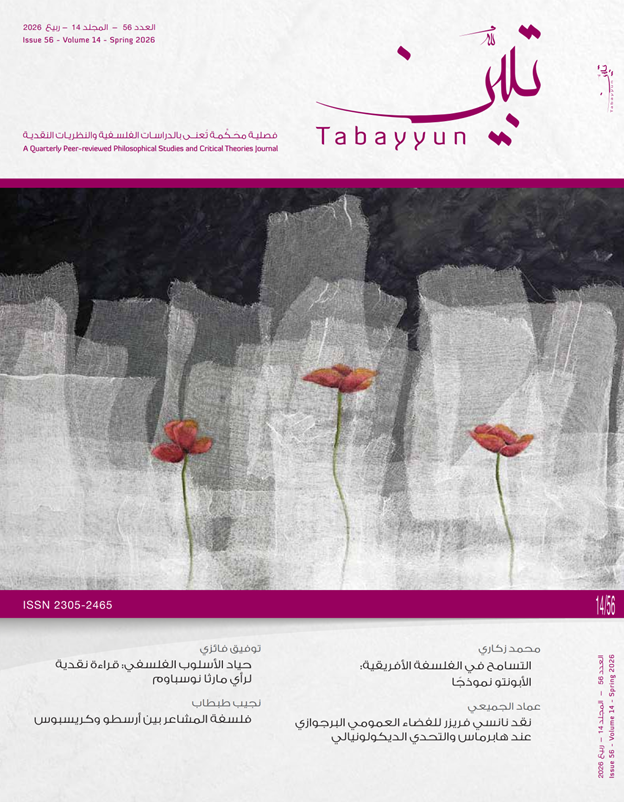
Tolerance in African Philosophy: The Ubuntu Paradigm
DOI:
https://doi.org/10.31430/ufeo9338Keywords:
African Philosophy, Ubuntu, Liberation, Universal Ethics, Dialogical EngagementAbstract
This study explores the concept of tolerance in African philosophy, drawing on its four key characteristics as identified by philosopher Léopold Sédar Senghor: intuitive knowledge, dialogical engagement, praxis, and universal humanism. It focuses on the philosophy of Ubuntu, which holds that an individual’s humanity is realized through others, and which elevates the values of empathy, dignity, cooperation, and the defence of universal principles. Ubuntu is a communitarian philosophy, rooted in African religious and cultural traditions, that regards the individual as an integral part of the community. The study also examines the experience of Nelson Mandela in reconciliation and forgiveness as a practical embodiment of this philosophy, and compares liberal tolerance, grounded in individualism, with African tolerance, which is based on participation and solidarity. It concludes that Ubuntu offers a positive and effective model of tolerance that extends beyond the African continent.
References
- Thomas Hobbes, Leviathan, C.B. Macpherson (ed.) (London: Penguin Books, 1968).
- Micheline Triomphe, "Le Léviathan, une problématique de la tolérance," Revue de la Société d’études anglo– américaines des XVIIe et XVIIIe siècles (1979), pp. 1–15.
- Séverine Kodjo–Grandvaux, Philosophies Africaines (Paris: Présence Africaine, 2013), p. 90.
- Léopold Sédar Senghor, Ce que je crois: Négritude, francité et civilisation de l’universel (Paris: B. Grasset, 1988), pp. 107–109.
- Henri Bergson, Œuvres complètes (Paris: Arvensa, 2014), p. 663.
- Senghor, p. 108.
- يقول سينغور، في معرض تعريفه بجوهر الفلسفة الأفريقية ما يلي: "نحن الآن في صميم المسألة، كما كنا نقول؛ إذ ندرك أننا نتجه خطوة بخطوة نحو الفلسفة الأفريقية. هناك طاقة واحدة فقط، شبكة واحدة من القوى، وإن كانت تظهر في وجهين: الطاقة المماسية؛ طاقة الخارج، المادية، الكمية، والطاقة الشعاعية؛ طاقة الداخل، النفسية، الكيفية. وفي الحقيقة، هذه طاقة روحية، ومن ثم فهي قوة جاذبة، وقوة خلاقة بكل بساطة. ونتيجة لذلك، تظل القوانين الفيزيائية والكيميائية صالحة في ما قبل الحياة، بينما في الكائنات الحية، كلما ارتقينا من المادة الخاملة إلى النبات، ومن النبات إلى الحيوان، ومنه إلى الإنسان، ترتقي الروح إلى الوعي لتعبر عن نفسها في الإنسان، في الحرية. يتعلق الأمر، بالنسبة إلى هذا الإنسان، في تحقيق ذاته، في ما وراء الرفاهية المادية، في الوجود الروحي الأعلى، أقول: في الشعر بالمعنى الأصلي للكلمة اليونانية، في حياة الغناء، كما يقول الأفارقة". ينظر: Ibid., p. 150.
- Mikael Garandeau, Le Libéralisme (Paris: Flammarion, 1998), p. 199.
- Séverine, p. 16.
- Roger–Pol Droit, Jusqu’où tolérer? (Paris: Le Monde Éditions, 1996), p. 15.
- فلسفة البانتو، كما عرضها البلجيكي بلاسيد تامبلز في كتابه فلسفة البانتو، تعبّر عن رؤية أنطولوجية أفريقية ترى أن الكينونة مرتبطة بالقوة، وأن الإنسان يُعرف من خلال علاقته بالآخرين وبالكون. وفي ثقافة شعوب البانتو، لا ينظر إلى الفرد باعتباره كائنًا مستقلًا، بل جزءًا من شبكة وجودية تتداخل فيها القوى الحيوية، حيث تقاس قيمة الإنسان بمدى تأثيره وتفاعله مع محيطه. حاول تامبلز إثبات أن لدى شعوب البانتو فلسفة متماسكة، على الرغم من أن عمله قوبل بانتقادات من فلاسفة أفارقة اعتبروا طرحه استشراقيًا. ومع ذلك، يظل كتابه مرجعًا أساسيًا لفهم البنية الفكرية والروحية للمجتمعات الأفريقية التقليدية، يُنظر: Placide Tempels, La philosophie Bantoue (Paris: Présence Africaine, 1949).
- D. A. Masolo, African Philosophy in Search of Identity (Edinburgh: Edinburgh University Press, 1994), p. 39.
- Stephan C. Lundin, Ubuntu! Une histoire inspirante basée sur une tradition africaine (Québec: Dauphin Blanc, 2011), p. 12.
- Papa Abdou Fall, "Apports africains et humanite commune: Penser l’ubuntu a l’echelle mondiale," Education authentique , accessed on 23/2/2026, at: https://acr.ps/1L9F37q
- Leyla Tavernaro–Haidarian, A Relational Model of Public Discourse: The African Philosophy of Ubuntu (London: Routledge, 2018), p. 30.
- John Stuart Mill, On Liberty , Elizabeth Rapaport (ed.) (Cambridge: Hackett Publishing Company, 1978
- Bican Şahin, Toleration: The Liberal Virtue (Lanham, MD: Lexington Books, 2010), p. x.
- Mungi Ngomane, Ubuntu Leçons de sagesse africaine (New York: Harper Collins, 2022).
- Iyay Kimoni, Destin de la littérature négro–africaine ou problématique d’une culture (Québec: Éditions Naaman, 1985), p. 70.
- هوبير دیشان، الديانات في أفريقيا السوداء، ترجمة أحمد صادق حمدي (القاهرة: دار الكتاب المصري، 1956)، ص د.
- فراس السواح، موسوعة تاريخ الأديان، ج 1 (دمشق: دار رسلان للطباعة، 2017)، ص.260
- Nelson Mandela & Jennifer Crwys–Williams, Une minute peut changer le monde (Paris: Presses du Châtelet, 2011), p. 34.
- Havva Kök Arslan & Yunus Turhan, "Reconciliation–oriented Leadership: Nelson Mandela and South Africa," All Azimuth: A Journal of Foreign Policy and Peace , vol. 5, no. 2 (2016), pp. 29–46.
- Brian Castle, Reconciling One and All: God’s Gift to the World (London: SPCK Publishing, 2008), p. 67.
- Kem Knapp Sawyer, Champion of Freedom: Nelson Mandela (North Carolina: Morgan Reynolds Publishing, 2011), p. 136.
- Bernard Lhôte, Les charmes du charisme: Pouvoirs et tentations (Paris: Desclée de Brouwer, 2000), p. 28.
- Frank B.Wilderson III, Afropessimism (New York: Liveright Publishing, 2020).
- Patrick Catel, Nelson Mandela (London: Capstone, 2011), p. 80.
- Elleke Boehmer, Nelson Mandela: A Very Short Introduction (Oxford: Oxford University Press, 2008), p. 81.
- Max Yves Brandily, Hommage à Léopold Sédar Senghor (Paris: PhotoPhore, 2002), p. 53.
- Lewis R Gordon, Existentia Africana: Understanding Africana Existential Thought (London: Routledge, 2000).
- Jean–Pierre Biondi, Claude Quétel & Georges Liébert, Les anticolonialistes, 1881–1962 , Rééd. numérique (Paris: Robert Laffont; FeniXX, 1992), p. 217.
- Jacques Chevrier, La Littérature Nègre (Paris: Armand Colin, [n. d.]), p. 22.
Downloads
Published
Article dates
Usage statistics
Issue
Section
License
Copyright (c) 2026 Tabayyun

This work is licensed under a Creative Commons Attribution-NonCommercial 4.0 International License.
