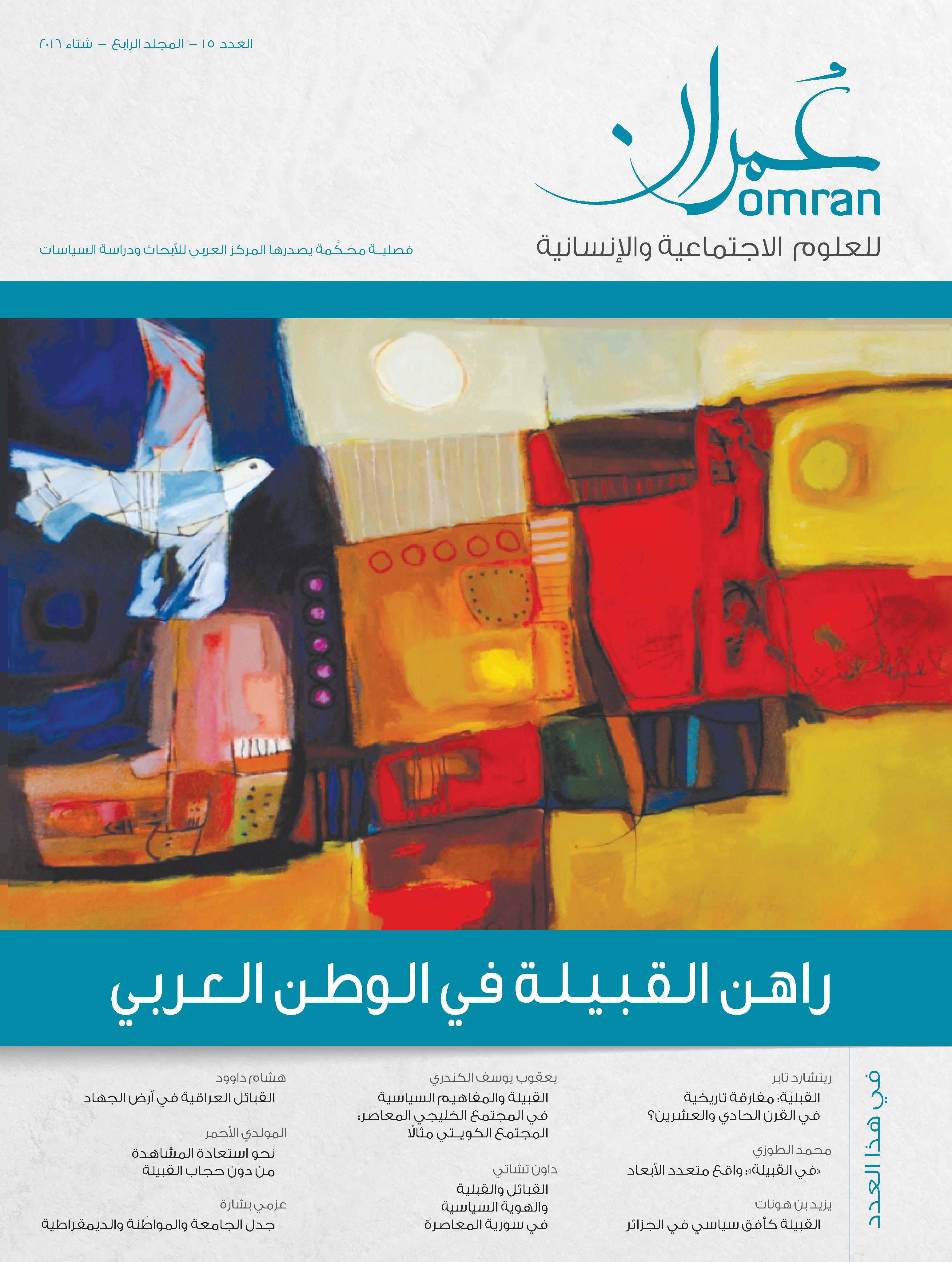
The Debate on University, Citizenship and Democracy
DOI:
https://doi.org/10.12816/0028992Keywords:
University, Citizenship, Democracy, Political Culture, Arab Opinion PollAbstract
In this essay, Bishara explores the relationship between university education and democratic culture. Moving beyond the relationship between the two – that is the ratio of the number of educated and their education degrees and the attendant potential for democracy and its stability – Bishara focuses instead on the political culture of those who are educated, and their values. His conclusions are based on the 2015 Arab Opinion Index, which showed that stances on democracy and citizenship do not change based on one’s education degree. He also presents an interpretive analysis of these results in a comparative study between the different impacts of university institutions and free universal education in Europe on the one hand, and the Arab status quo and its relationship with democracy and citizenship on the other – this in view of the fact that universities are meant to bring together large masses of youth coming from different areas and social backgrounds, and to be a major melting pot of the nation, and a natural environment for citizenship.
References
- Seymour Martin Lipset, "Some Social Requisites of Democracy: Economic Development and Political Legitimacy," American Political Science Review , vol. 53, no. 1 (March 1959), pp. 69-105.
- Amparo Castello-Climent, "On the Distribution of Education and Democracy," Journal of Development Economics , vol. 87, no. 2 (October 2008), p. 179.
- المصدر نفسه، ص 180.
- Daron Acemoglu [et al.], "From Education to Democracy?," American Economic Review , vol. 95, no. 2: Papers and Proceedings of the One Hundred Seventeenth Annual Meeting of the American Economic Association, Philadelphia, PA, January 7-9, 2005 (May 2005), pp. 44-49, on the Web: <http://www.jstore.org/stable/4132788>.
- عزمي بشارة، في المسألة العربية: مقدمة لبيان ديمقراطي عربي (بيروت: مركز دراسات الوحدة العربية، 0072)، ص.23-22
- Ahmed Galal, The Road not Traveled: Education Reform in the Middle East and North Africa , MENA Development Report (Washington, DC: World Bank, 2008), p. 99, Available online: <http://siteresources.worldbank.org/INTMENA/ Resources/EDU_Flagship_Full_ENG.pdf>.
- عامر مهدي دقو، "العاقة بين التعليم الجامعي والديمقراطية في الوطن العربي،" عمران، السنة 4، العدد 13 (صيف 2015)، ص.26
- المؤشر العربي استطاع سنوي يُنفذه المركز العربي لأبحاث ودراسة السياسات في البلدان العربية التي يتاح فيها تنفيذ الاستطاع وتتوافر فيها الأطر الإحصائية العامة، لسحب العينات الممثلة لمجتمعاتها، وذلك بهدف الوقوف على اتجاهات الرأي العام العربي نحو مجموعة من الموضوعات الاقتصادية والاجتماعية والسياسية، بما في ذلك اتجاهات الرأي العام نحو قضايا الديمقراطية وقيم المواطَنة والمساواة والمشاركة المدنية والسياسية. انظر الموقع الإلكتروني: <http://www.dohainstitute.org/ release/7a3ec170-23c7-430b-9c7d-306ad03b4a15>.
- اختبار t-Test هو من أهم الاختبارات الإحصائية وأكثرها استخدامًا في البحوث والدراسات للكشف عن وجود اختافات جوهرية ذات دلالات إحصائية بين نتائج متغير تابع في مجموعتين من العينة نفسها. يقيس اختبار ANOVA الفروق بين متوسط النتائج لثاث مجموعات أو أكثر (متغير مستقل واحد لثاث مجموعات أو أكثر)، وما إذا كانت هذه الفروق ذات دلالة إحصائية. Soleman H. Abu-Bader, Using Statistical Methods in Social Science Research: With a لمزيد من المعلومات انظر: Complete SPSS Guide , Rev. Ed. (Chicago, IL: Lyceum Books, 2011), pp. 221–247.
- اختبار "مربع كاي" يُعرف أيضًا باسم اختبار "مربع كاي بيرسون"، ويُستخدم لمقارنة توزيع متغير واحد بالعاقة (الرابطة) بين متغيرين، بشرط أن تكون هذه المتغيرات متغيرات فئوية. انظر: Abu-Bader, p. 285.
- سُئل المستجيبون في الكويت عن رئيس مجلس الأمة (النواب) بدل من رئيس الوزراء، وسئل المستجيبون في السعودية عن رئيس مجلس الشورى.
- رح هذا السؤال في موريتانيا والمغرب والجزائر وتونس ومصر والسودان وفلسطين والأردن والعراق والسعودية والكويت. (طُ
- رح هذا السؤال في مصر والسودان وفلسطين ولبنان والأردن والعراق (طُ.
- رح هذا السؤال في الجزائر والعراق والسعودية والكويت ولبنان (طُ.
- Thorsten Nybom, " The Humboldt Legacy: Reflections on the Past, Present, and Future of the European Universi- ty," Higher Education Policy , vol. 16, no. 2 (June 2003), pp. 141-159.
- تُعتبر جامعة بولونيا في إيطاليا أقدم جامعة، بحسب التقليد الأوروبي. وقد وص ف هذا الإعان ب"ماغنا كارتا" الجامعات الأوروبية. و أولمبادئه أن الجامعة مؤسسة مدارة ذاتيًا وتجسّد ثقافة مجتمعها وتنقلها. ويجب أن يكون البحث والتعلم مستقلين فكريًا وأخاقيًا عن أي سلطة سياسية واقتصادية. أمّا المبدأ الثاني، فهو عدم الفصل بين التعليم والبحث. والثالث أن حرية البحث والتعليم هي أساس الحياة الجامعية. وقد أعلنت الوثيقة في نهايتها أن الجامعة هي حافظ التقليد الأوروبي الأنسني. ياحَظ من منطوق الإعان أن الميثاق لم يفصل المهمات العلمية والبحثية عن التقاليد والثقافة الأوروبيين.
- انظر: بشارة، ص.162-150
Citing articles in ACRPS journals (1)
- (2023) الثقافة السياسية لدى الشباب النوبي في مصر: الحراك النوبي نحو قضية العودة نموذجًا. https://doi.org/10.31430/woqm8011
Sources: Crossref Cited-by, and the references (notes and reference lists) of the Center's own articles
Downloads
Published
Usage statistics
Issue
Section
License
Copyright (c) 2016 Omran for Social Sciences and Humanities

This work is licensed under a Creative Commons Attribution-NonCommercial 4.0 International License.
