The Authoritarian State in the Arab Societies between Khaldoun Al-Naqib and Abdullah Hammoudi: Contribution from the Mashriq and the Maghreb in the Critical Social Theory
DOI:
https://doi.org/10.31430/uxbk1727Keywords:
Authoritarian States, Khaldun Naqeeb, Abdullah Hammoudi, Epistemology, DemocracyAbstract
This paper highlights the contributions of the Arab sociologists and anthropologists who critically theorized the workings of authoritarian states in modern and contemporary Arab societies in the Middle East and the Maghreb. This is based on a critical reading of the foundational writings of two renowned social researchers, namely Khaldun Hassan Al Naqeeb and Abdullah Hammoudi. The paper employs analytical and comparative descriptive approaches with a focus on the epistemological interventions of Hammoudi and Al Naqeeb concerning the authoritarian state. Moreover, this paper shall historicize the authoritarian state and its structures, liberation from the authoritarian state, and the transition to democracy.
References
- نزيه ن. الأيّوبي، تضخيم الدولة العربية، ترجمة أمجد حسين (بيروت: المنظمة العربية للترجمة، 0102)، ص.38–37
- للمزيد عن هذه المشاريع، يُنظر: غسّان سلامة وعبد الباقي الهرماسي وخلدون النقيب، المجتمع والدولة في الوطن العربي، تحرير سعد الدين إبراهيم، ط 3 (بيروت: مركز دراسات الوحدة العربية، 005 2)؛ رحمة بورقيّة، الدولة والسلطة والمجتمع: دراسة في الثابت والمتحوّل في عاقة الدولة بالقبائل في المغرب (بيروت: دار الطليعة للطباعة والنشر، 9911)؛ علي عبد اللطيف احميدة، المجتمع والدولة والاستعمار في ليبيا: دراسة في الأصول الاجتماعية والاقتصادية والثقافية لحركات وسياسات التواطؤ ومقاومة الاستعمار 1936–1830، ط 2 (بيروت: مركز دراسات الوحدة العربية، 998.)1
- ريتشارد سويدبيرغ، " قبل النظرية يأتي التنظير أو كيف نجعل العلوم الاجتماعية أكثر جاذبية "، ترجمة حميد الهاشمي، عُمران، مج 5، العدد 02 (ربيع 0172)، ص 73–172.1
- دينا رزق خوري، " تاريخ العراق ومجتمعه بين حنّا بطاطو وعلي الوردي "، عُمران، مج 6، العدد 24 (رييع 0182)، ص 721–؛ حيدر سعيد، " المؤرّخ والدولة "، أسطور، مج 7، العدد 14 (تموز/ يوليو 0212)، ص 61–245 2؛ عبد العزيز حمّودة، المرايا المقعرة: نحو نظرية نقدية عربية، سلسلة عالم المعرفة 722 (الكويت: المجلس الوطني للثقافة والفنون والآداب، 001 2)؛ إدوارد سعيد، العالم والنصّ والناقد، ترجمة محمد عصفور (بيروت: دار الآداب، 017 2)؛ البحث النقدي في العلوم الاجتماعية: مداخات شرقية – غربية عابرة لاختصاصات، تحرير روجر هيكوك [وآخرون] (بيرزيت: جامعة بيرزيت ومعهد إبراهيم أبو لغد، 0112)؛ أندريه جينغرخ، " المقارنة الأنثروبولوجية [منهجًا بحثيًّا] في شبه الجزيرة العربية: مفاهيم، ونماذج، وحالة دراسية "، في: هيكوك [وآخرون]، ص 31–7 7 15؛ ساري حنفي وريغاس أرفانيتس، البحث العربي ومجتمع المعرفة: رؤية نقدية جديدة (بيروت: مركز دراسات الوحدة العربية، 015 2)؛ عصام الخفاجي، " سمير أمين: في نقد حلم انكسر "، عُمران، مج 7، العدد 72 (شتاء 0192)، ص.24–7
- مهنّد مبيّضين، " خلدون النقيب وسؤال الدولة "، إضافات، العدد 14 (ربيع 011 الأنثروبولوجي 2)؛ عبد الرحيم العطري، " المغربي عبد الله حمّودي مفكّك خطاطة الشيخ والمريد "، إضافات، العدد 9 (شتاء.)2009
- خلدون حسن النقيب، آراء في فقه التخلّف: العرب والغرب في عصر العولمة (بيروت: دار الساقي، 0022)؛ خلدون حسن النقيب، في البدء كان الصراع: جدل الدين والإثنيّة، الأمّة والطبقة، عند العرب (بيروت: دار الساقي، 997.)1 وللاطلّاع على مجمل أعمال النقيب والبعد المستقبلي في سوسيولوجيّته، يُنظر: علي الزعبي، " خلدون حسن النقيب وسوسيولوجيا المستقبل: قراءة تحليلية 013 "، إضافات، العدد 22 (ربيع.)2 كما يمكن الرجوع إلى: أرشيف الدكتور خلدون النقيب، شوهد في 022/5/312، في: https://bit.ly/3a8YZ6u
- عبد الله حمّودي (إشراف)، وعي المجتمع بذاته: عن المجتمع المدني في المغرب العربي (الدار البيضاء: دار توبقال، 9981)؛ عبد الله حمّودي، الضحية وأقنعتها: بحث في الذبيحة والمسخرة بالمغارب، ترجمة عبد الكبير الشرقاوي (الدار البيضاء: دار توبقال، 010 2)؛ عبد الله حمّودي، حِكايَة حَج: مَوسمٌ في مَكّة، ترجمة عبد الكبير الشرقاوي (بيروت: دار الساقي، 010 2)؛ عبد الله حمّودي، المسافة والتحليل: في صياغة أنثروبولوجيا عربية (الدار البيضاء: دار توبقال، 019 2)، ص 12؛ عبد الله حمّودي، العلوم الاجتماعية في العالم العربي: مقاربة لإنتاجات الصادرة باللغة العربية (2016–2000)، التقرير الثاني للمرصد العربي للعلوم الاجتماعية (بيروت: المجلس العربي للعلوم الاجتماعية، 018.)2
- كريغ كالهون، النظرية الاجتماعية النقدية: تاريخ الاختاف، وثقافته وتحدّيه، ترجمة مروان سعد الدين (بيروت: المنظمة العربية للترجمة، 0132)، ص.105
- 1برتراند بادي وغي هيرمت، السياسة المقارنة، ترجمة عزّ الدين الخطابي (بيروت: المنظمة العربية للترجمة، 0132)، ص.118
- أوليفيه رومو وجان فريديريك شوب وإيزابيل تيرو، " ما من تفكير انعكاسي من دون مقارنة "، في: دراسة العلوم الاجتماعية، مج 2: المقارنة، ترجمة نجيب غزاوي (بيروت: دار الفارابي، 0162)، ص.15
- خلدون حسن النقيب، المجتمع والدولة في الخليج والجزيرة العربية من منظور مختلف، ط 2 (بيروت: مركز دراسات الوحدة العربية، 9891)، ص.143
- عبد الله حمّودي، الشيخ والمريد: النسق الثقافي للسلطة في المجتمعات العربية الحديثة، ط 4 (الدار البيضاء: دار توبقال، 010 2)، ص 2–11.1
- النقيب، المجتمع والدولة، ص.160
- خلدون حسن النقيب، الدولة التسلطيّة في المشرق العربي المعاصر: دراسة بنائية مقارنة، ط 2 (بيروت: مركز دراسات الوحدة العربية، 9961) ص.342
- 1النقيب، في البدء كان الصراع، ص 1. 7
- المرجع نفسه، ص.19
- يتعلق الأمر هنا بمقال حمّودي التأسيسي الذي كان وراء شهرته في حقل الأنثروبولوجيا على المستوى العالمي، وخصوصًا أنّه خصّص هذا المقال لنقد أطروحات الأنثروبولوجي المعروف إرنست غلنر Guellner Ernest عن بعض القبائل في المغرب، التي قدّمها في كتابه الشهير صلحاء الأطلس، وذلك اعتمادًا على البحث الميداني الذي أنجزه حمّودي عن آيت عطّا، أهمّ القبائل الموالية لزاوية أحنصال، والتي اعتمدها غلنر نموذجًا لتقديم أطروحته عن الانقسامية. وقد ركّز حمّودي في كتاب غلنر على ثلاثة عناصر رئيسة هي النسب ودوره في تحديد هوية الفئات الاجتماعية أولً، والتناضد والتراتب الاجتماعي الذي ترتبط حسبه بالسلطة السياسية ثانيًا، ثم الخصائص المميزة للصلحاء ذوي النسب العامي ثالثًا. وقد صدر هذا المقال أول مرة سنة 947 1 في مجلة هسبريس تمودا وأعيد نشره في كتاب جماعي. Abdallah Hammoudi, "Segmentarité, stratification sociale, pouvoir politique et sainteté, Réflexions sur les thèses de Gellner," Hespéris–Tamuda , vol. XV. (1974), pp. 147–180; عبد الله حمودي، " الانقسامية والتراتب الاجتماعي والسلطة السياسية والقداسة: م حااظات حول أطروحات كلنير "، في: ليليا بنسالم [وآخرون]، الأنثروبولوجيا والتاريخ. حالة المغرب العربي، ترجمة عبد الأحد السبتي وعبد اللطيف الفلق (الدار البيضاء: دار توبقال للنشر، 9881)، ص.86–60
- 1حمّودي، الشيخ والمريد، ص.9
- 2عبد الله حمّودي، الرهان الثقافي وهمّ القطيعة (الدار البيضاء: دار توبقال، 0112)، ص.193
- المرجع نفسه، ص.35
- المرجع نفسه، ص.110
- للمزيد عن يد الدولة اليمنى ويدها اليسرى في سياقات أخرى، ينظر: Pierre Bourdieu, (Dir), La misère du monde (Paris: Seuil, 1993), pp. 340–343; بيار بورديو، عن الدولة: دروس في الكوليج دو فرانس (1989–1992)، ترجمة نصير مروّة (الدوحة/ بيروت: المركز العربي للأبحاث ودراسة السياسات، 0162)، ص.621–620
- حمّودي، الرهان الثقافي، ص 1.87
- المرجع نفسه، ص.193
- 2النقيب، الدولة التسلطيّة، ص.335
- 2خلدون حسن النقيب، صراع القبلية والديمقراطية: حالة الكويت (بيروت: دار الساقي، 9961)، ص.24
- 2النقيب، الدولة التسلطيّة، ص.45
- المرجع نفسه، ص.177
- المرجع نفسه، ص.179
- المرجع نفسه، ص.181–82
- يعتبر النقيب في موضع آخر أنّ نهاية هذه الحقبة قد حملت قيمة رمزية، حيث كانت بمنزلة تصفية لآخر موقع لمقاومة الحلول السلمية الجائرة. وهو الأمر الذي يعني نهاية ما تبقّى من الملامح الثورية المجسّدة في المقاومة الفلسطينيّة قبل أن تتحوّل كما يسميها النقيب إلى " ناد خاصّ للمحاربين القدماء ". النقيب، آراء في فقه التخلّف، ص 255؛ وفي سياق قريب، لاحظ عزمي بشارة أنّ " الحقبة النفطية وتأثيراتها العربية، خاصة بتزامن مع أزمة التيار القومي بعد حرب 9671 وارتفاع أسعار النفط بعد حرب 9731، هي من عوامل تعثّر الإصلاح عربيًا وتمكّن دول من شراء ولاءات نخب ثقافية وفئات اجتماعية ذات طاقة نقدية. كما إنه أحد عوامل نشر وانتشار ثقافة دينية وأنماط تديّن وهابية محافظة لم تعرفها المنطقة العربية بهذا الاتساع ترافقها عملية إنتاج ثقافي، استهلاكي المظهر محافظ المضمون. وقد زادت ازدواجية الانح لاا والمحافظة في وسائل الإع ماا نفسها المموّلة من [نفس] المصادر من القناعة أنّهما [وجها] العملة نفسها لإفساد الثقافة. ولأن المصدر الأساسي للريع النفطي هو دول الخليج، ولأنّ نمط الحكم الذي ساد فيها هو النمط القبلي المحافظ ولأنها أقل الدول العربية تطوّرًا من الناحية الاجتماعية، فإن احتواء المثقّفين العرب وجزء كبير من النخبة السياسية والإعلامية تم لصالح ثقافة معادية للديمقراطية وموالية للغرب في الوقت ذاته. وقد طرحت تاريخيًّا كبديل غير ديمقراطي لنموذج الدول الراديكالية التي تبنت الأيديولوجيا القومية كأيديولوجيا رسمية ". عزمي بشارة، في المسألة العربية: مقدمة لبيان ديمقراطي عربي (بيروت: مركز دراسات الوحدة العربية، 0072) ص 75. يؤكد أدهم صولي ورايموند هاينبوش هذه الفكرة في دراسة مهمّة قدّمها الأول في الدورة الثامنة من المؤتمر السنوي للعلوم الاجتماعية والإنسانية الذي ينظّمه المركز العربي للأبحاث ودراسة السياسات، حيث استنتج الباحثان، من خ لاا اعتمادهما على السوسيولوجيا التاريخية للدفاع عن أطروحة تطوّر بناء الدولة في العالم العربي وفق المنحى الجرسي بدل التوجّه الخطي، أنّ هذه الفترة التي يتحدّث عنها النقيب في هذا السياق التاريخي قد شهدت تمكّن الأنظمة الحاكمة من إنشاء احتكارات للعنف والسيطرة على الموارد الاقتصادية وإضفاء الشرعية على أيديولوجياتها على المستوى السياسي، في الوقت الذي ظلّت فيه العديد من الفضاءات تعيش الهشاشة والنزاع على المستوى الاجتماعي. أدهم صولي ورايموند هاينبوش، " الدولة العربية: مقاربة سوسيولوجية تاريخية "، عُمران، مج 01، العدد 73 (صيف 0212)، ص 4–23.2
- حمّودي، الشيخ والمريد، ص.140
- حمّودي، الرهان الثقافي، ص 31.9
- 3حمّودي، الشيخ والمريد، ص.27–26
- 3حمّودي، الرهان الثقافي، ص.170
- المرجع نفسه، ص.176–175
- 3حمّودي، الشيخ والمريد، ص.47
- 4النقيب، المجتمع والدولة، ص.441–143
- النقيب، الدولة التسلطيّة، ص.33
- المرجع نفسه، ص.309
- وخصوصًا ثقافة المجمّعات التجارية (المول) التي اخترقت مجتمعات الخليج والجزيرة العربية، والتي رصدتها دراسات في ضوء التحولّات التي لحقت المدينة السعودية والأسرة المكوّنة لمجتمعها، وعلاقتها بظهور أنواع استهلاك جديدة. يُنظر: أبو بكر باقادر وثريّا التركي، جدة أمّ الرخا والشدة: تحولّات الحياة الأسرية بين فترتين (عمان/ رام الله: دار الشروق،.)2006
- النقيب، الدولة التسلطيّة، ص 1.75
- حمّودي، الشيخ والمريد، ص 42.0
- المرجع نفسه، ص.242
- 4حمّودي، الرهان الثقافي، ص.173–172
- 4حمّودي، الشيخ والمريد، ص.40
- المرجع نفسه، ص.55
- المرجع نفسه، ص.43
- حول مفهوم القبَلية السياسية عند النقيب، ينظر: النقيب، صراع القبلية والديمقراطية، ص.27–17
- النقيب، المجتمع والدولة، ص –151.521
- النقيب، الدولة التسلطيّة، ص.244–243
- المرجع نفسه، ص.244
- حمّودي، الرهان الثقافي، ص 1.79
- 5ديدييه فاسان، " الأنثروبولوجيا باعتبارها ممارسة نقدية "، في: دراسة العلوم الاجتماعية، ج 1: النقد، تحرير باسكال هاغ وسيريل لوميو (بيروت: دار الفارابي، 0182)، ص.264–263
- 5النقيب، الدولة التسلطيّة، ص 1.80
- المرجع نفسه، ص.244
- المرجع نفسه، ص.198
- المرجع نفسه، ص.346
- المرجع نفسه، ص.345
- المرجع نفسه، ص.346–345
- النقيب، المجتمع والدولة، ص.163
- النقيب، الدولة التسلطيّة، ص.330
- المرجع نفسه، ص.331
- حمّودي، الرهان الثقافي، ص.196
- حمّودي، الشيخ والمريد، ص.7
- حمّودي، الرهان الثقافي، ص.175
- المرجع نفسه، ص.192–191
- المرجع نفسه، ص.187
- المرجع نفسه، ص.188
- المرجع نفسه، ص.192–93
- المرجع نفسه، ص.183
- حمّودي، الشيخ والمريد، ص.13
- المرجع نفسه، ص.452–244
- سنتجنّب هنا ذكر الاسم لسببين: الأوّل هو أنّ الحكم قد أ طلق في سياق نقاش شفهي وليس في نصّ مكتوب. أمّا الثاني فهو تجنّب دخول ما سمّاه عبد العزيز حمّودة في سياق نقده للحداثيّين العرب " عش الزنابير "، حمّودة، ص.104
- ريوين كونيل، النظرية الجنوبيّة: علم الاجتماع والديناميات العالمية للمعرفة، ترجمة فاروق منصور (الدوحة/ بيروت: المركز العربي للأبحاث ودراسة السياسات، 0202)، ص 49–42،.105
Citing articles in ACRPS journals (2)
- (2026) حين يرتدي عالم الاجتماع عباءة المؤرخ: استعمالات التاريخ في مشروع خلدون النقيب عن مجتمعات الخليج والجزيرة العربية. https://doi.org/10.31430/oine7219
- (2025) مفهوم بورديو للدولة. https://doi.org/10.31430/ecqq7619
Sources: Crossref Cited-by, and the references (notes and reference lists) of the Center's own articles
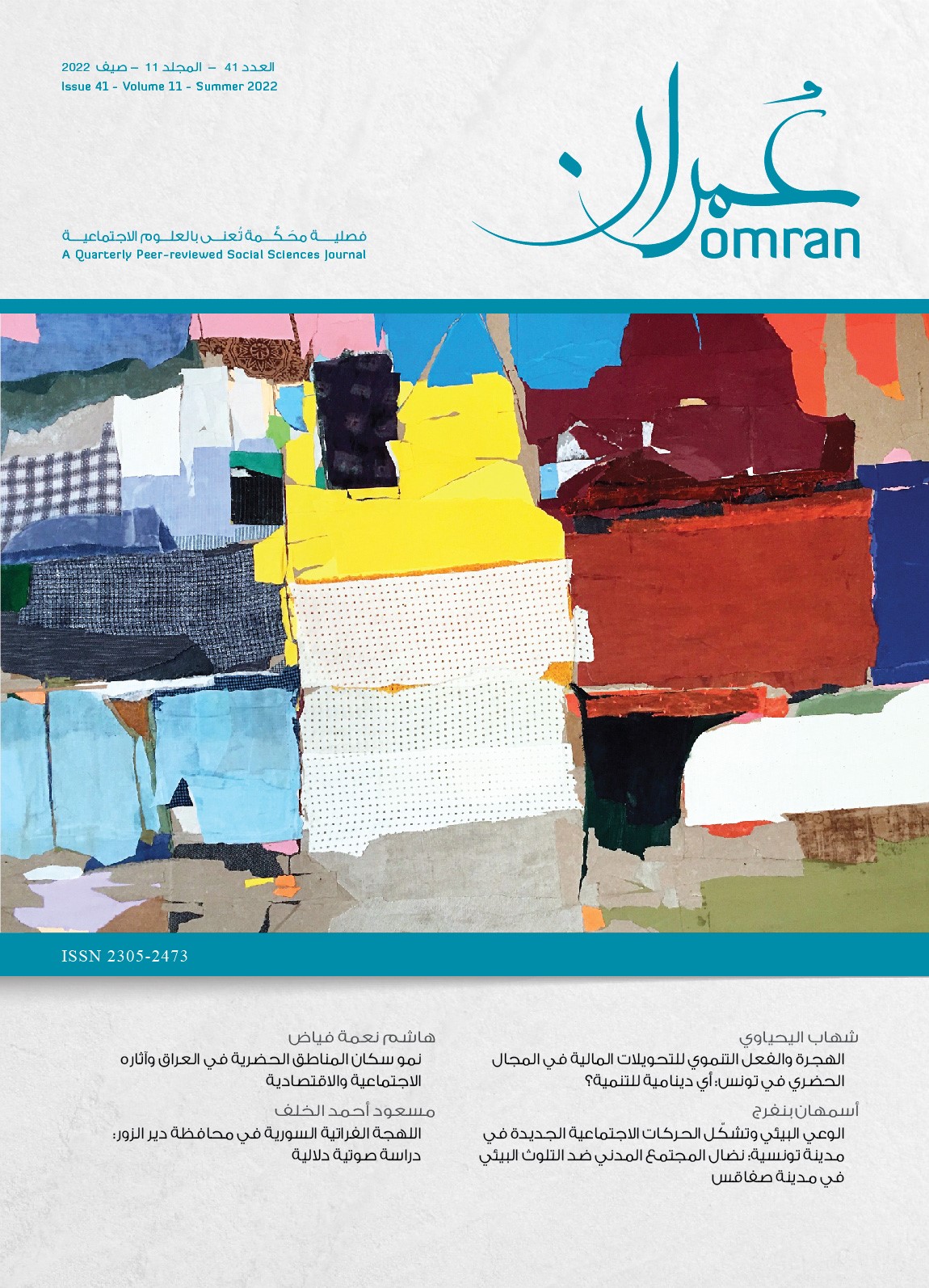
Downloads
Published
Article dates
Usage statistics
Issue
Section
License
Copyright (c) 2022 Omran for Social Sciences and Humanities

This work is licensed under a Creative Commons Attribution-NonCommercial 4.0 International License.