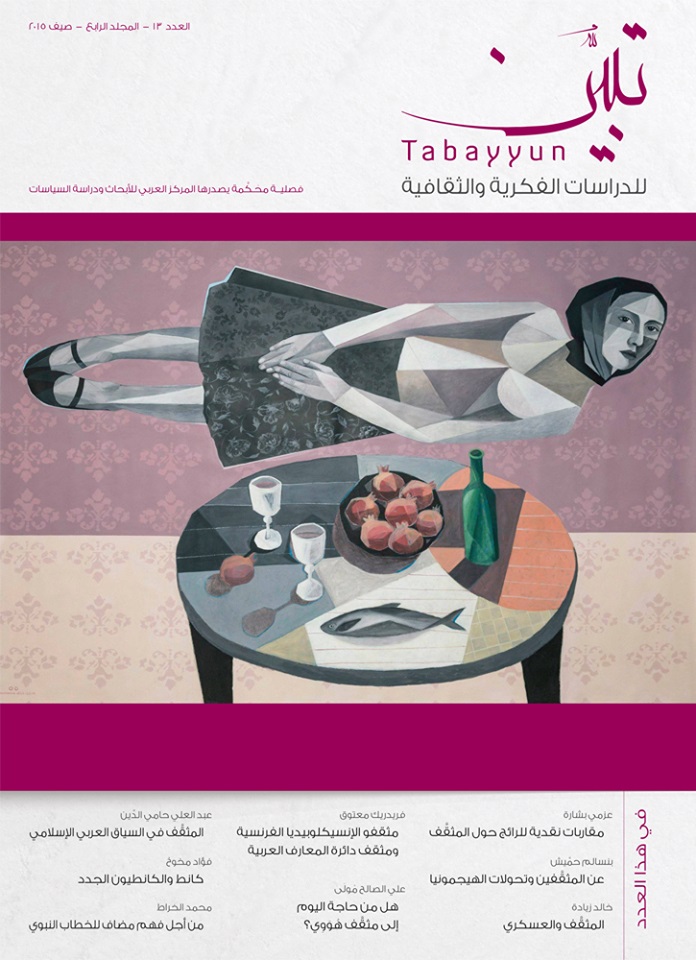
On Intellectuals and Transformations to Hegemony
DOI:
https://doi.org/10.31430/spxe2127Keywords:
Intellectuals, Hegemony, the Arabs, Marginalization.Abstract
Words like underdevelopment, ineffectiveness, and deprivation continue to permeate the vocabulary of intellectuals and media figures worldwide – labels that are then turned from passing descriptions to defining ones. Such euphemisms or wordplays, generally used to describe developing or emerging countries, fail to disguise the widespread conflation among Western public opinion between structural underdevelopment and intellectual backwardness. Among the key roles for Arab intellectuals is to spread awareness on the fact that the subordination some believe has disappeared under globalization, or an old story no longer relevant, is, on the contrary ongoing and evolving, even if covertly. What is more, it is a powerful mechanism for repression, prohibition, and marginalization. Intellectuals with good intentions, as critics of the world and builders of an open and effective modernism, must take on these observations and oppose such damaging practices. This will gradually help achieve a culture of true peace, on whose basis international relations should be established; a culture that is not based on the balance of fear – as was the case during the Cold War – but on that of equality, parity, and the fulfilment of peoples' rights to freedom and sovereignty, constructive participation, and liberated identities creating positive values.
References
- Abdallah Laroui, Esquisses historiques (Casablanca: Centre culturel arabe, 1992), p. 69. وانظر أيضًا: بنسالم حميش، نقد ثقافة الحجر وبداوة الفكر (بيروت؛ الدار البيضاء، المغرب: المركز الثقافي العربي، 2004)، الفصلالرابع.
- Edward W. Saïd, L'Orientalisme: L'Orient créé par l'Occident , traduit et adapté de l'américain par Catherine Malamoud (Paris: Éditions du Seuil, 1980), p. 19.
- Edward W. Said, Culture et résistance: Entretiens avec David Barsamian , trad. de l'anglais par Christian Calliyannis (Paris: Fayard, 2004), chap. 4.
- Jean-Paul Sartre, Plaidoyer pour les intellectuels , collection Idées; 274 (Paris: Gallimard, 1972).
- Pascal Boniface, Les intellectuels faussaires: Le Triomphe médiatique des experts en mensonge , Coup de gueule (Paris: J.-C. Gawsewitch, 2011), chap. 8.
- أبو زيد عبد الرحمن بن محمد بن خلدون، مقدمة ابن خلدون (بيروت: دار الرشاد الحديثة، 1981)، ص 745 – 747، "فصل في أن العلماء من بين البشر أبعد عن السياسة ومذاهبها"، وانظر: عزمي بشارة، المجتمع المدني: دراسة نقدية، ط 7 (الدوحة؛ بيروت: المركز العربي للأبحاث ودراسة السياسات، 2013)، ص 229 – 239، و Julien de traduction , Le Savant et le politique Max Weber, Freund; Introduction de Raymond Aron, recherches en sciences humaines; 12 (Paris: Plon, 1959), et Antonio Gramsci, Gramsci dans le texte , recueil réalisé sous la direction de François Ricci en collaboration avec Jean Bramant; textes traduits de l'italien par Jean Bramant [et al.] (Paris: Éditions sociales, 1975).
- Edward W. Said, Des intellectuels et du pouvoir , trad. de l'anglais par Paul Chemla et rev. par Dominique Eddé, Seuil. Essais (Paris: Ed. du Seuil, 1996), p. 39, et Noam Chomsky, Responsabilités des intellectuels , préface de Michael Albert; trad. de l'américain par Frédéric Cotton (Marseille: Agone, 1998), p. 24..
- محمد أركون، تاريخية الفكر العربي الإسلامي، ترجمة هاشم صالح (بيروت: مركز الإنماء القومي، 1986)، ص.248-247
- هشام جعيط، أزمة الثقافة الإسلامية (بيروت: دار الطليعة، 2000)، ص 183، انظر قوله: "مبدئيًا، نعمْ للانفتاح لكن على ألَّيتحول إلى عزوف عصابي عن الذات وافتتان بالمتغلب الأقوى، فاقدٍ لحاسة التمييز والنقد."
- من الكتّاب الكبار الذين كانوا على تلك الشاكلة، صامويل ب كيت، وجان ماري غستاف لوكليزيو، وباتريك مودييانو (فازوا كلّهمِ بجائزة نوبل)، وأمين معلوف الذي فاز بجائزة غونكور الفرنسية.
- Friedrich Nietzsche, La Généalogie de la Morale (Paris: Gallimard, 1971), pp. 178 - 179.
- Containment Axis of Evel, Rogue States, Attack, Preventive war and Clash تلك المفاهيم هي في الأصل على التوالي: 1(of Civilizations.
- Hannah Arendt, Les Origines du totalitarisme: L'Impérialisme , traduit de l'anglais par Martine Leiris, Points. Politique; 125 (Paris: Fayard, 1982), p. 13. وتضيف أرندت قائلة إن سيسل رودس "كان يعترف في لحظة رشده بأن مبدأ التوسع يقوم على نفي العقل نفسه."
- Edward W. Said, Culture and Imperialism (New York: Vintage Books, 1994), p. 268.
- فرنتز فانون، معذبو الأرض، ترجمة سامي الدروبي وجمال الأتاسي (بيروت: دار الطليعة، 1973)، ص.201
- Said, Culture and Imperialism , p. xiii.
- Albert Camus, Essais , introduction par R. Roger Quilliot; textes établis et annotés par R. Quilliot et L. Louis Faucon, bibliothèque de la Pléiade; 183 (Paris: Gallimard, 1965), pp. 1012 - 1013.
- جان بول سارتر في: فانون، ص.25
- ومن الخطاب نفسه هذه الفقرة: "إن العالم حاليًّا في مفترق الطرق، فإمّا أن يقوم المجتمع الدولي بدعم الدول النامية لتحقيق تقدّمها وضمان الأمن والاستقرار بمناطقها، وإمّا أننا سنتحمل جميعا عواقب تزايد نزوعات التطرف والعنف والإرهاب، التي يغذيها الشعور بالظلم والإقصاء، والتي لن يسلم منها أيُّ مكان في العالم". وكيف لا يُستحضر في أدبيات تصفية الاستعمار في الستينيات "خطاب في الاستعمارية" لإيمي سيزير، وافتقاد العالم لجاك بيرك، وتغريب العالم، وكوكب الغرقى لسيرج لاتوش، وكذلك الاستعمار الأسود، المؤلف الجماعي الذي أشرف عليه مارك فيرو.. إلخ.
- كان ليوبولد سيدار سنغور يشكو ذلك الاختلال وينادي بإصلاحه. ويوم وفاة هذا الرئيس - الشاعر في 2001/12/20، لم يشارك في تشييعه إلى مثواه الأخير أيّ مسؤول في الدولة الفرنسية، لا رئيسها جاك شيراك ولا وزيره ليونيل جوسبان، على الرغم من أن سنغور كان فرنسي الهوى ومن كبار دعاة الفرنكوفونية، وهو ما أثار غضب الكاتب إيريك أورسينا الذي عبّر عن ذلك في صحيفةلوموند.
- Amin Maalouf, Les Identités meurtrières (Paris: Grasset, 1965), pp. 101 - 102.
- المصدر نفسه، ص 104. وانظر أيضًا في ما يتعلّق بحالات محمد علي ومحمد مصدق ومحمد الثالث: حميش، نقد ثقافة الحجر وبداوة الفكر، ص 43-42. وإن ذلك الاختلال الذي سمَّاه بعض الاقتصاديين "التجارة اللامتساوية"، يمسُّ أيضًا قطاعات المنتوجات الثقافية والإعلامية التي تجد في بلدان الجنوب أسواقًا رائجة مربحة حين تكون شمالية، لكنها في الاتجاه المعاكس تصير ضئيلة إن لم تكن منعدمة، كما تدل على ذلك بلاغة الأرقام.
- Emmanuel Kant, Projet de la paix perpétuelle (Paris: Garnier, 2002(.
- القرآن الكريم، "سورة فُصِّلت،" الآية.34
- Noam Chomsky, “L’Amérique, "Etat voyou",” L e Monde diplomatique (Aout 2000), et William Blum, L'Etat voyou , éd: Cérès-Tarik (Tunis- Casablanca, Paris 2002).
- Said, Culture and Imperialism , p. 287.
- Samuel P. Huntington, Le Choc des civilisations , trad. de l'anglais par Jean-Luc Fidel, Geneviève Joublain et Patrice Jorland (Paris: O. Jacob, 1997), p. 200.
- المصدر نفسه، ص 45 و.251
- المصدر نفسه، ص.32
- المصدر نفسه، ص 334. ونقرأ في النص الأصلي: “Or the West Could Go through a Period of Revival Reverse its Declining Influence in World Affairs, and Reconfirm its Position as the Leader whom Other Civilizations Follow and Imitate”.
- بنسالم حميش، العرب والإسلام في مرايا الاستشراق (القاهرة: دار الشروق، 2011)، ص 189 -.202
- نُشرت مقالة برنار لويس سنة 1990، أي قبل صدور كتاب هنتنغتون المذكور بخمس سنوات ونيّف، انظر: Bernard Lewis, “The Roots of Muslim Rage: Why so Many Muslims Deeply Resent the West, and why their Bitterness will not Easily be Mollified,” Atlantic Monthly , no. 266 (September 1990). وانظر أيضًا مقالاته المترجمة إلى الفرنسية في كتابه The Return of Islam الذي لا يقصد فيه الإسلاموية فحسب.
- Emmanuel Todd, Après l’empire: Essai sur la décomposition du système américain , Folio. Actuel; 107 (Paris: Gallimard, 2008), p. 134 - 143.
Downloads
Published
Article dates
Usage statistics
Issue
Section
License
Copyright (c) 2015 Tabayyun

This work is licensed under a Creative Commons Attribution-NonCommercial 4.0 International License.
